

Giriş
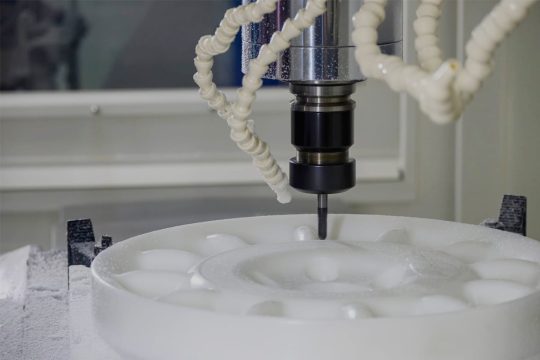
Başarılı takım tablası işleme, uygun kesici takımların ve işlem parametrelerinin seçilmesine bağlıdır. Düşük yoğunluklu tablalar kolay kesilir ancak çok agresif işlenirse yırtılabilir veya gözenekli yüzeyler oluşturabilir. Yüksek yoğunluklu tablalar daha iyi detay ve daha pürüzsüz yüzeyler sağlar ancak daha güçlü takımlar ve dikkatlice optimize edilmiş ilerleme hızları gerektirebilir. Gerekli geometriye göre genellikle keskin spiral kesiciler, bilye uçlu takımlar, konik uçlar ve ince işleme kesicileri kullanılır. Kaba işleme geçişleri malzemeyi verimli bir şekilde uzaklaştırırken, hafif ince işleme geçişleri boyutsal doğruluğu ve yüzey pürüzsüzlüğünü iyileştirir. Hareket veya titreşim ince detayları ve boyutsal tutarlılığı etkileyebileceğinden, güvenli iş parçası tutma şarttır. Vakumlu tablalar, kelepçeler, yapıştırıcı sistemler ve özel fikstürler, işleme sırasında iş parçasını stabilize etmeye yardımcı olur. Etkili toz emme ayrıca talaşları ve ince parçacıkları uzaklaştırır, görünürlüğü artırır ve makine bileşenlerini korur. CNC yönlendirme, takım tablası üretimini daha doğru, verimli ve uyarlanabilir hale getirir. Manuel şekillendirmeyi azaltır, geliştirme döngülerini kısaltır, malzeme israfını en aza indirir ve pürüzsüz yüzeylere ve güvenilir boyutlara sahip detaylı parçaların tutarlı üretimini destekler.
CNC Router İşlemine Uygun Tipler
- Ana Desenler
- Döküm Kalıpları
- Dökümhane Kalıpları
- Kalıp Ustaları
- Vakumla Şekillendirme Kalıpları
- Termoform Kalıpları
- Kompozit Katman Kalıpları
- Prototip Kalıpları
- Fikstürleri Kontrol Etme
- Montaj Fikstürleri
- Sondaj Armatürleri
- Muayene Ölçüm Cihazları
- Şekillendirme Modelleri
- Konsept Modeller
- Mimari Modeller
- Ürün Prototipleri
- Otomotiv Tasarım Modelleri
- Deniz Bileşen Kalıpları
- Rüzgar Türbini Kanat Modelleri
- Heykel Ustaları
Sektörler ve Uygulamalar





CNC Router İşlemlerinde Kullanılan Yöntemler
Hassas Kesim
CNC routerlar, takım levhalarını belirtilen şekil ve boyutlarda hassas bir şekilde keser. Programlanmış takım yolları, desenler, prototipler, kalıplar, fikstürler ve ana formlar genelinde tutarlı profiller, temiz kenarlar ve tekrarlanabilir sonuçlar sağlar.
Profil Kesimi
Profil kesimi, dijital tasarımın dış sınırını takip ederek bitmiş bileşenler oluşturur. Şablonlar, kalıp bölümleri, model parçaları, şekillendirme araçları ve özelleştirilmiş dış hatlar için uygundur.
Kaba İşleme
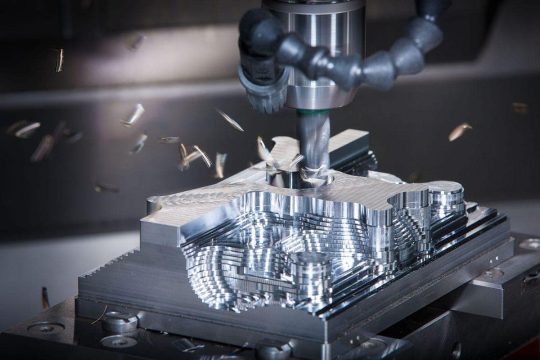
Kaba işleme, detaylı son işlemden önce büyük miktarda malzemeyi hızlı bir şekilde kaldırır. Daha büyük kesiciler ve verimli takım yolları, işlem süresini azaltırken, daha sonraki ince işleme için kontrollü miktarda malzeme bırakır.
cebe
Cep açma işlemi, levhanın tamamını kesmeden seçilen alanlardan malzeme çıkarır. Bu işlem, oyuklar, girintili montaj alanları, kalıp bölümleri, bağlantı elemanları ve ağırlık azaltma bölgeleri oluşturur.
Delme
CNC delme işlemi, hizalama pimleri, montaj donanımı, vakum kanalları, referans noktaları ve fikstür montajı için hassas konumlandırılmış delikler üretir. Tutarlı delik yerleşimi, montaj ve denetim doğruluğunu artırır.
Kanal açma
Oluk açma işlemi, kontrollü genişlik ve derinliğe sahip dar kanallar oluşturur. Bu kanallar, bağlantı noktalarını, sızdırmazlık özelliklerini, hizalama kılavuzlarını, kablo yollarını, vakum dağıtımını veya dekoratif detayları destekleyebilir.
Yüzey Frezeleme
Yüzey frezeleme, takım tablasını düzleştirir ve düz referans yüzeyler oluşturur. Bu işlem, detaylı işleme başlamadan önce iş parçası kalınlığı tutarlılığını, fikstür doğruluğunu, yapıştırma hazırlığını ve boyut kontrolünü iyileştirir.
Kabartma oyma
Kabartma oyma, yükseltilmiş ve girintili yüzey detayları oluşturur. Dekoratif desenler, logolar, dokulu modeller, heykel kalıpları, teşhir bileşenleri ve detaylı prototip yüzeyler için kullanışlıdır.
3D Şekillendirme
CNC routerlar, işleme levhalarını kavisli, şekillendirilmiş ve serbest biçimli yüzeylere dönüştürür. Bu işlem, aerodinamik modelleri, ergonomik prototipleri, kalıp ana modellerini, stil modellerini ve karmaşık üç boyutlu formları destekler.
beveling
Pah kırma işlemi, takım levhası parçalarında açılı kenarlar, eğimli yüzeyler ve pahlar oluşturur. CNC kontrolü, tutarlı açılar sağlar ve uyum, montaj, kalıplama hazırlığı ve son görünümü iyileştirir.
Bitirme Geçişleri
Hafif son işlem geçişleri, kaba işleme sonrasında detaylı yüzeyleri iyileştirir. Küresel uçlu ve konik kesiciler, takım izlerini azaltır, boyutsal doğruluğu artırır ve daha az zımparalama gerektiren daha pürüzsüz eğriler oluşturur.
Prototip
CNC routerlar, dijital tasarımları hızla hassas takım tezgahı prototiplerine dönüştürür. Tasarımcılar, nihai üretimden önce şekli, uyumu, yüzey kalitesini ve işlevselliği değerlendirebilir, böylece geliştirme süresini ve tasarım hatalarını azaltabilirler.
Sık Karşılaşılan Zorluklar
Toz Üretimi
İşleme takımlarının çalışma yüzeyleri büyük miktarda ince toz ve hafif talaş üretir. Etkili bir emme sistemi olmadan, bu kalıntılar görüşü azaltabilir, ekipmanı kirletebilir ve yüzey kalitesini etkileyebilir.
Yüzey Gözenekliliği
Düşük yoğunluklu işleme levhaları, işleme sonrasında daha belirgin hale gelen gözenekli yüzeylere sahip olabilir. Açık hücreler, düzensiz yüzeyler oluşturabilir ve sızdırmazlık, zımparalama veya kaplama ihtiyacını artırabilir.
Takım Aşınması
Yüksek yoğunluklu ve dolgulu takım tezgahları zamanla kesici kenarları aşındırabilir. Körelmiş takımlar kesme kuvvetlerini artırabilir, boyutsal doğruluğu azaltabilir ve pürüzlü yüzeyler veya görünür takım izleri bırakabilir.
Isı Oluşumu
Aşırı iş mili hızı, düşük ilerleme hızları veya aşınmış kesiciler ısı üretebilir. Isı, levhayı yumuşatabilir, yüzeyde renk değişimine neden olabilir, takım aşınmasını artırabilir veya işleme kalitesini düşürebilir.
Yüzey Kırılması
Kesme, delme veya şekillendirme sırasında takım tezgahının kenarları ve detaylı özellikleri kırılabilir. Agresif işleme parametreleri, uygun olmayan takımlar ve yetersiz destek, köşelere ve ince bölümlere zarar verebilir.
Görünür Alet İzleri
Yanlış adım aralığı, kesici geometrisi veya son işlem stratejisi, kavisli yüzeylerde çıkıntılar ve işleme çizgileri bırakabilir. Bu izler zımparalama ihtiyacını artırır ve ana kalıpların ve modellerin kalitesini düşürür.
Kırılgan İnce Ayrıntılar
İnce duvarlar, dar nervürler, keskin köşeler ve küçük yükseltiler, işleme veya taşıma sırasında kırılabilir. Detaylı geometri, dikkatli takım seçimi, sağlam iş parçası tutma ve kontrollü kesme kuvvetleri gerektirir.
İş Parçası Hareketi
Büyük bloklar ve yapıştırılmış takım tablası bölümleri işleme sırasında kayabilir veya titreşebilir. Yetersiz iş parçası tutma, boyut hatalarına, düzensiz yüzeylere, yanlış hizalanmış özelliklere ve tutarsız bitirme sonuçlarına neden olabilir.
Parametre Seçimi
Farklı takım tablası yoğunlukları, uygun kesiciler, iş mili hızları, ilerleme hızları, kesme derinlikleri ve adım aralığı değerleri gerektirir. Yanlış ayarlar, talaşlanmaya, ısı birikimine, pürüzlü yüzeylere, aşırı toza veya verimlilik düşüşüne neden olabilir.
CNC Router, Zorlukları Nasıl Çözüyor?
Etkin Toz Emme
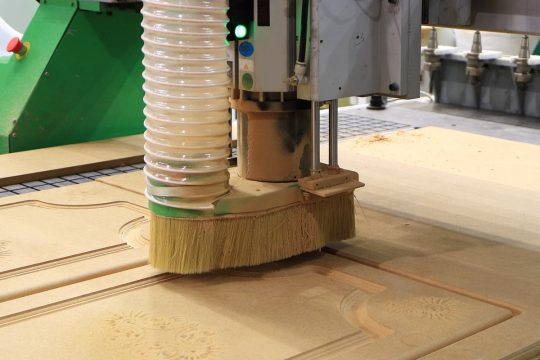
Entegre toz emme sistemleri, ince toz ve hafif talaşları doğrudan kesme alanından uzaklaştırır. Daha temiz işleme, görünürlüğü artırır, makine bileşenlerini korur ve döküntülerin yüzey kalitesini düşürmesini önler.
Optimize Edilmiş Alet Seçimi
Keskin spiral kesiciler, küresel uçlu takımlar, konik uçlar ve son işlem kesiciler, farklı takım tahtası yoğunluklarına uygun olarak seçilebilir. Uygun takımlar, talaşlanmayı azaltır, takım aşınmasını sınırlar ve boyutsal doğruluğu artırır.
Kontrollü Kesme Parametreleri
Programlanabilir iş mili hızları, ilerleme hızları, kesme derinlikleri ve adım aralığı değerleri, operatörlerin her bir levha kalitesi için işlemeyi optimize etmelerini sağlar. Dengeli ayarlar, ısı birikimini, yüzey hasarını ve gereksiz takım aşınmasını azaltır.
Kaba İşleme ve İnce İşleme Stratejileri
CNC routerlar, kaba işleme için verimli geçişler kullanarak büyük miktarda malzemeyi uzaklaştırır, ardından daha hafif son işleme geçişleri yapar. Bu yaklaşım, işleme süresini kısaltırken görünür takım izlerini azaltır ve yüzey pürüzsüzlüğünü artırır.
Güvenli İş Tutma
Vakumlu tablalar, kelepçeler, yapıştırıcı sistemler ve özel fikstürler, takım tezgahı bloklarını güvenli bir şekilde tutar. Sağlam iş parçası tutma, kaymayı ve titreşimi önleyerek özellik hizalamasını, boyutsal doğruluğu ve yüzey tutarlılığını iyileştirir.
Çok Geçişli İşleme
Kontrollü birkaç geçişle derin oyuklar ve karmaşık konturlar oluşturulabilir. Daha düşük kesme kuvvetleri, ince duvarları, dar nervürleri, keskin köşeleri ve diğer hassas detayları kırılma veya çatlama riskine karşı korumaya yardımcı olur.
Hassas Dijital Takım Yolları
Bilgisayar kontrollü takım yolları, eğriler, oyuklar ve detaylı yüzeyler boyunca kesici takımın tutarlı hareketini sağlar. Hassas hareket, işleme varyasyonunu azaltır ve kalıplar, şablonlar, fikstürler, prototipler ve ana formlar için tekrarlanabilir sonuçlar sağlar.
Yüzey İşleme Kontrolü
Ayarlanabilir adım aralıkları ve özel son işlem takım yolları, kavisli ve serbest biçimli bileşenlerde daha pürüzsüz yüzeyler oluşturur. Geliştirilmiş son işlem kalitesi, zımparalama, sızdırma ve ikincil hazırlık gereksinimlerini azaltır.
Önerilen CNC Routerlar
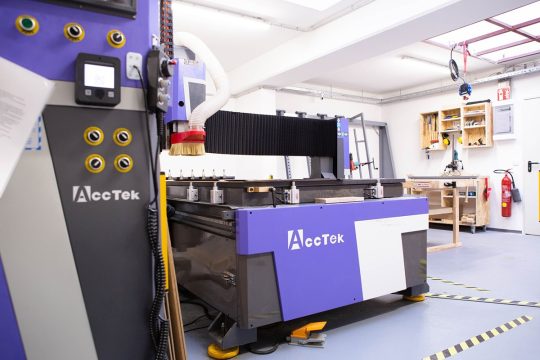
Seçilen makine, ağır hizmet tipi çerçeveler, hassas hareket sistemleri, güvenilir miller, yeterli portal boşlukları ve etkili toz emme sistemine sahip olmalıdır. Vakumlu tablalar, mekanik kelepçeler, yapıştırıcı ile iş parçası tutma veya özel fikstürler, farklı boyutlardaki levhaları sabitleyebilir. Takım uzunluğu sensörleri, otomatik kalibrasyon, CAD/CAM uyumluluğu ve optimize edilmiş kaba ve ince işleme takım yolları, doğruluğu, yüzey kalitesini, verimliliği ve tekrarlanabilirliği daha da artırır.


Müşteri Örnekleri
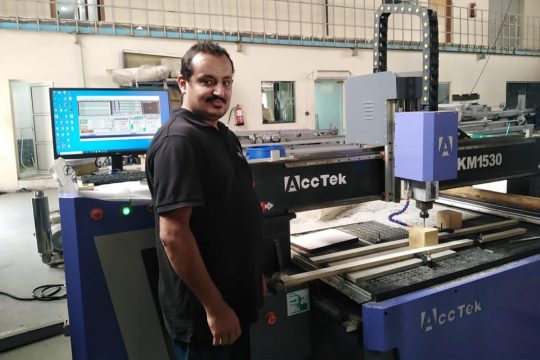
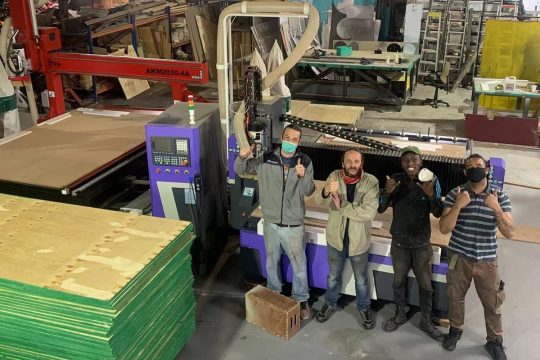
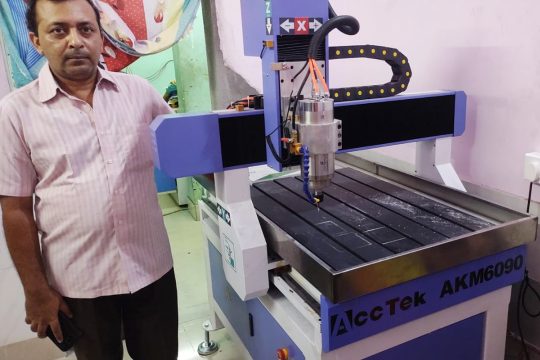
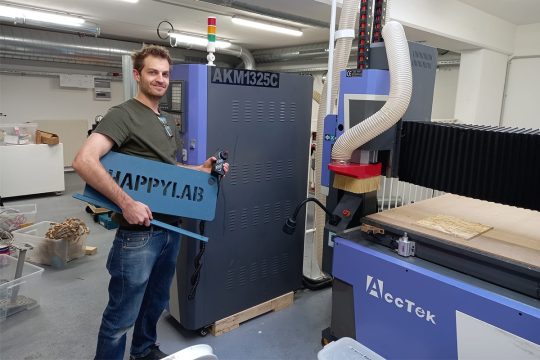
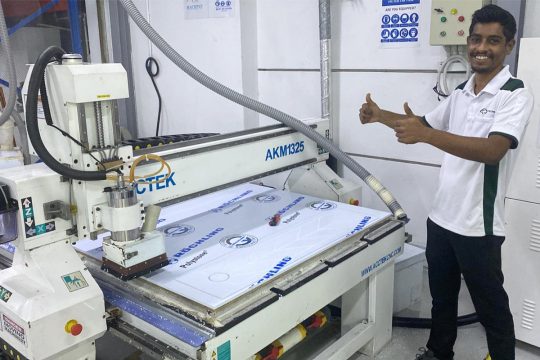
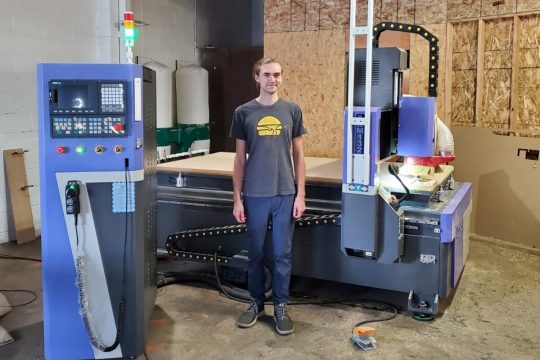
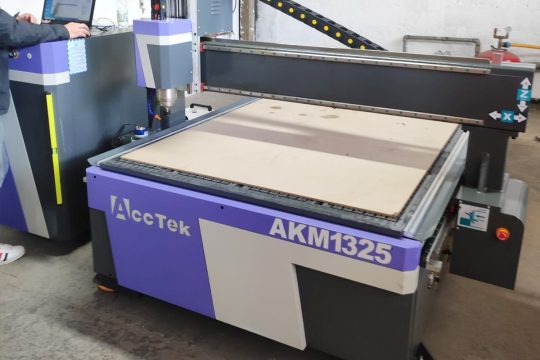
CNC Yönlendirme Çözümleri Edinin
Ekibimiz, işleme malzemelerinizi, çalışma boyutunuzu, kesme kalınlığınızı, üretim hacminizi, hassasiyet gereksinimlerinizi ve atölye koşullarınızı değerlendirmenize yardımcı olacaktır. Bu ayrıntılara dayanarak, doğru makine modelini, iş mili gücünü, tabla tipini, kontrol sistemini, iletim sistemini, takımları ve vakumlu tablalar, döner cihazlar, otomatik takım değiştiriciler, delme üniteleri ve toz toplama sistemleri gibi isteğe bağlı aksesuarları önerebiliriz.
AccTek CNC, sadece CNC router makineleri sağlamanın ötesine geçmeyi taahhüt eder. Müşterilerimizin ekipmanlarını güvenle kullanmalarına yardımcı olmak için satın alma öncesi profesyonel rehberlik, makine özelleştirme, kurulum desteği, kullanım eğitimi, teknik yardım ve satış sonrası hizmet sunuyoruz. Küçük atölyelerden büyük üretim fabrikalarına kadar, CNC router makinelerimiz verimliliği artırmaya, manuel iş gücünü azaltmaya ve işleme olanaklarını genişletmeye yardımcı olmak üzere tasarlanmıştır.
İşletmeniz için güvenilir bir CNC router arıyorsanız, bugün AccTek CNC ile iletişime geçin ve üretim hedeflerinize uygun bir çözüm edinin.