

- อ่าน 12-16 นาที
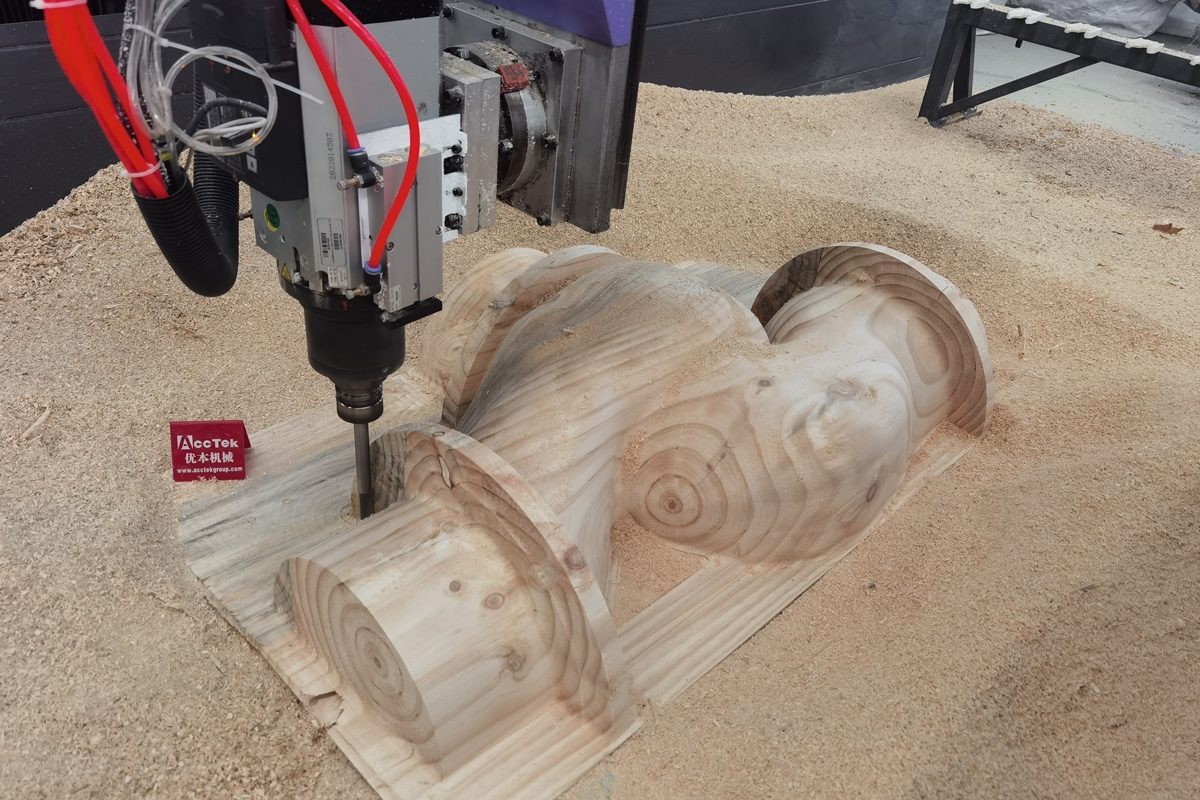
เครื่องเราเตอร์ CNCเป็นเครื่องมือสำคัญในการผลิตสมัยใหม่ ขึ้นชื่อเรื่องความแม่นยำและประสิทธิภาพ อย่างไรก็ตาม ความท้าทายที่ผู้ใช้งานหลายรายเผชิญอยู่เสมอคือ การแตกหักของเครื่องมือตัดโดยไม่คาดคิด เครื่องมือที่แตกหักไม่เพียงแต่ขัดจังหวะกระบวนการผลิตเท่านั้น แต่ยังอาจทำให้ชิ้นงานเสียหาย ลดประสิทธิภาพการผลิต และเพิ่มต้นทุนการดำเนินงาน ที่สำคัญกว่านั้น การแตกหักของเครื่องมือบ่อยครั้งอาจบ่งชี้ถึงปัญหาที่ลึกกว่านั้น เช่น การตั้งค่าการตัด การเลือกเครื่องมือ หรือการบำรุงรักษาเครื่องจักร ซึ่งหากปล่อยทิ้งไว้โดยไม่แก้ไข อาจนำไปสู่ความไม่มีประสิทธิภาพในระยะยาว
การเข้าใจสาเหตุที่เครื่องมือชำรุดและวิธีการป้องกันนั้นเป็นประโยชน์ต่อการรักษาการทำงานของเครื่อง CNC ให้ราบรื่นและคุ้มค่า ตั้งแต่การปรับพารามิเตอร์การตัดให้เหมาะสมและการเลือกเครื่องมือที่ถูกต้อง ไปจนถึงการติดตั้งที่ถูกต้องและความเสถียรของเครื่องจักร มีหลายขั้นตอนที่คุณสามารถทำได้เพื่อยืดอายุการใช้งานของเครื่องมือและลดเวลาหยุดทำงาน ในบทความนี้ เราจะสำรวจสาเหตุทั่วไปของการชำรุดของเครื่องมือระหว่างการตัด และนำเสนอแนวทางปฏิบัติที่ช่วยให้คุณหลีกเลี่ยงปัญหาเหล่านั้น ซึ่งจะช่วยปรับปรุงทั้งประสิทธิภาพและผลกำไรในกระบวนการทำงาน CNC ของคุณ
ทำความเข้าใจสาเหตุของการชำรุดของเครื่องมือ
เพื่อป้องกันไม่ให้เครื่องมือตัด CNC แตกหักระหว่างการตัดอย่างมีประสิทธิภาพ จำเป็นอย่างยิ่งที่จะต้องเข้าใจสาเหตุของการแตกหักเหล่านั้นก่อน การแตกหักของเครื่องมือมักเป็นผลมาจากความเครียดสะสม การตั้งค่าที่ไม่เหมาะสม หรือวิธีการตัดเฉือนที่ไม่ดี ด้านล่างนี้คือสาเหตุทั่วไปของการแตกหักของเครื่องมือที่ผู้ใช้งาน CNC ทุกคนควรทราบ:
แรงตัดที่มากเกินไป
- อัตราการป้อนและรอบหมุนที่ไม่เหมาะสม: หากอัตราการป้อนสูงเกินไปหรือรอบหมุนต่ำเกินไป เครื่องมือจะถูกบังคับให้กำจัดวัสดุมากกว่าที่สามารถรับมือได้ในแต่ละครั้ง ซึ่งจะสร้างความเครียด ความร้อน และการสั่นสะเทือนมากเกินไป ซึ่งอาจทำให้เครื่องมือบิ่นหรือหักได้ โดยเฉพาะอย่างยิ่งในวัสดุแข็งหรือกับดอกสว่านขนาดเล็ก
- ความลึกในการตัดมากเกินไป: เมื่อตัดวัสดุมากเกินไปในคราวเดียว เครื่องมือจะพบกับแรงต้านสูงและต้องรับแรงตัดที่มากขึ้นในพื้นที่สัมผัสที่กว้างขึ้น ซึ่งจะทำให้เกิดการโก่งงอ การสั่นสะเทือน และการรับน้ำหนักที่ไม่สม่ำเสมอที่ร่องหรือปลายตัด ในกรณีที่รุนแรง เครื่องมืออาจงอหรือหักระหว่างการใช้งานได้
การสึกหรอและความล้าของเครื่องมือ
- ข้อจำกัดด้านอายุการใช้งานของเครื่องมือ: เครื่องมือตัดทุกชนิดมีอายุการใช้งานที่จำกัด เมื่อสึกหรอลง ประสิทธิภาพในการตัดจะลดลง และต้องใช้แรงมากขึ้นในการทำงานแบบเดิม ซึ่งเพิ่มความเสี่ยงต่อการเกิดความร้อนสูงเกินไปและการแตกหักกะทันหันภายใต้ภาระหนัก
- สัญญาณบ่งบอกว่าเครื่องมือสึกหรอหรือชำรุด: สัญญาณที่เห็นได้ชัด เช่น ขอบทื่อ ร่องบิ่น หรือปลายเปลี่ยนสี แสดงว่าเครื่องมือไม่ได้อยู่ในสภาพที่ดีที่สุดอีกต่อไป การใช้งานเครื่องมือที่สึกหรอหรือชำรุดต่อไปจะทำให้ประสิทธิภาพการทำงานลดลง เกิดการสั่นสะเทือน และมีโอกาสสูงที่จะเกิดความเสียหายโดยไม่คาดคิด
การเลือกเครื่องมือที่ไม่เหมาะสม
- การใช้เครื่องมือที่ทำจากวัสดุหรือรูปทรงที่ไม่เหมาะสม: เช่น การเลือกดอกสว่านเหล็กความเร็วสูง (HSS) สำหรับโลหะแข็ง หรือการใช้จำนวนร่องที่ไม่ถูกต้อง อาจทำให้ทนความร้อนได้ไม่ดี การกำจัดเศษวัสดุไม่มีประสิทธิภาพ และเกิดความเค้นทางกลเพิ่มขึ้น ส่งผลให้เครื่องมือสึกหรอเร็วขึ้นหรือแตกหักภายใต้ภาระหนัก
- ความไม่เข้ากันกับวัสดุชิ้นงาน: เครื่องมือที่ไม่ได้ออกแบบมาให้เหมาะสมกับความแข็ง ความสึกหรอ หรือลักษณะการตัดของวัสดุ อาจทำให้เกิดความร้อนสูงเกินไป อุดตัน หรือทื่อเร็ว ส่งผลให้การตัดไม่มีประสิทธิภาพ และมีโอกาสสูงที่เครื่องมือจะเสียหายระหว่างการใช้งาน
การติดตั้งเครื่องมือไม่ถูกต้อง
- หัวจับดอกสว่านหลวมหรือติดตั้งเครื่องมือไม่ถูกต้อง: หากเครื่องมือไม่ได้ยึดแน่น หรือหัวจับดอกสว่านสกปรกหรือสึกหรอ ดอกสว่านอาจขยับขณะใช้งาน ซึ่งอาจนำไปสู่การกระตุกอย่างกะทันหัน แรงกดในการตัดไม่สม่ำเสมอ และในที่สุดอาจทำให้เครื่องมือเสียหายได้
- การเบี่ยงเบนและการไม่สมดุล: สิ่งเหล่านี้เกิดขึ้นเมื่อเครื่องมือไม่ได้อยู่ตรงกลางแกนหมุนอย่างสมบูรณ์ แม้แต่การเบี่ยงเบนเพียงเล็กน้อยก็ทำให้แรงตัดไม่สม่ำเสมอและเกิดการสั่นสะเทือน เพิ่มความเสี่ยงต่อการบิ่นหรือหัก โดยเฉพาะอย่างยิ่งที่ความเร็วสูง
การยึดชิ้นงานที่ไม่ดี
- การสั่นสะเทือนเนื่องจากการยึดชิ้นงานไม่แน่น: เมื่อชิ้นงานไม่ได้ถูกยึดอย่างแน่นหนา ชิ้นงานอาจสั่นสะเทือนขณะตัด การสั่นสะเทือนนี้ทำให้เกิดความไม่เสถียรที่คมตัด ส่งผลให้การกระจายแรงไม่สม่ำเสมอ เพิ่มความเครียดให้กับเครื่องมือ และมีความเสี่ยงสูงต่อการแตกหัก
- การเคลื่อนไหวที่ก่อให้เกิดแรงที่ไม่คาดคิด: หากวัสดุเลื่อนหรือยกตัวขึ้นระหว่างการตัดเนื่องจากการยึดที่ไม่เพียงพอ จะทำให้เกิดแรงกระทำต่อเครื่องมืออย่างกะทันหันและคาดเดาไม่ได้ การเปลี่ยนแปลงของแรงกดอย่างฉับพลันเหล่านี้อาจทำให้เครื่องมือโก่งงอ ติดขัด หรือหักได้ทันที
การเข้าใจสาเหตุของการแตกหักของเครื่องมือเป็นขั้นตอนแรกในการป้องกันการหยุดทำงานที่เสียค่าใช้จ่ายสูงและชิ้นงานเสียหาย เมื่อมีความเข้าใจอย่างถ่องแท้เกี่ยวกับความเสี่ยงเหล่านี้แล้ว ขั้นตอนต่อไปคือการนำกลยุทธ์ที่มุ่งเน้นไปใช้เพื่อเพิ่มประสิทธิภาพสภาวะการตัดและรับประกันประสิทธิภาพของเครื่องมือในระยะยาว
ปรับพารามิเตอร์การตัดให้เหมาะสม
เมื่อเข้าใจสาเหตุหลักของการแตกหักของเครื่องมือแล้ว ขั้นตอนสำคัญต่อไปคือการปรับพารามิเตอร์การตัดให้เหมาะสม พารามิเตอร์ที่ปรับแต่งอย่างถูกต้องจะช่วยให้เครื่อง CNC ทำงานภายในขอบเขตที่ปลอดภัย การปรับสมดุลพารามิเตอร์การตัดจะช่วยรักษาปริมาณเศษวัสดุให้คงที่ ลดความร้อนสะสม และป้องกันการแตกหักของเครื่องมืออย่างกะทันหัน
อัตราป้อนและความเร็วแกนหมุน
ผู้ผลิตมักจัดเตรียมแผนภูมิข้อมูลการตัดหรือแนะนำค่าภาระการตัดสำหรับเครื่องมือและวัสดุประเภทต่างๆ เครื่องคำนวณภาระการตัดจะใช้ข้อมูลนี้เพื่อกำหนดค่าที่เหมาะสมที่สุดระหว่างอัตราป้อนและรอบการหมุนของแกนหมุน โดยพิจารณาจากเส้นผ่านศูนย์กลางของเครื่องมือ จำนวนร่อง และคุณสมบัติของวัสดุ การใช้เครื่องมือเหล่านี้ช่วยให้มั่นใจได้ว่าเครื่องมือจะกำจัดวัสดุในปริมาณที่เหมาะสมต่อรอบการหมุน ป้องกันการโอเวอร์โหลดและการสึกหรอมากเกินไป
วัสดุแต่ละชนิดต้องการวิธีการตัดที่แตกต่างกัน ตัวอย่างเช่น วัสดุที่อ่อนกว่า เช่น ไม้หรือพลาสติก สามารถใช้ความเร็วรอบและอัตราการป้อนที่สูงกว่าได้ ในขณะที่วัสดุที่แข็งกว่า เช่น อลูมิเนียมหรือวัสดุผสม ต้องการการตั้งค่าที่ช้าลงและควบคุมได้ดีกว่า เพื่อหลีกเลี่ยงการโก่งงอของเครื่องมือและความร้อนสูงเกินไป นอกจากนี้ ความเร็วรอบสูงแต่แรงบิดไม่เพียงพออาจทำให้ประสิทธิภาพการตัดวัสดุที่มีความหนาแน่นสูงลดลง การปรับสมดุลความเร็วและแรงบิดให้เหมาะสมกับวัสดุจะช่วยให้สภาวะการตัดมีเสถียรภาพ ยืดอายุการใช้งานของเครื่องมือ และลดโอกาสการแตกหัก
ความลึกของการตัดและการก้าวข้าม
เมื่อตั้งค่าเส้นทางการตัดใหม่หรือทำงานกับวัสดุที่ไม่คุ้นเคย ควรเริ่มต้นด้วยค่าความลึกของการตัดและระยะห่างระหว่างการตัดที่เหมาะสม การตัดตื้นๆ จะช่วยลดภาระของเครื่องมือและช่วยให้ตรวจพบสัญญาณของการสั่นสะเทือน การโก่งตัว หรือความร้อนสูงเกินไปได้ตั้งแต่เนิ่นๆ เมื่อประสิทธิภาพการตัดคงที่และสม่ำเสมอแล้ว คุณสามารถค่อยๆ เพิ่มความลึกและความกว้างของการตัดแต่ละครั้งเพื่อเพิ่มประสิทธิภาพการผลิตโดยไม่เสี่ยงต่อความเสียหายของเครื่องมือ
การเซาะร่องลึกมากเกินไปจะทำให้เครื่องมือสัมผัสกับวัสดุมากเกินไปในคราวเดียว ส่งผลให้เกิดแรงต้าน การสั่นสะเทือน และโอกาสที่จะเกิดการโก่งงอหรือหัก ในทำนองเดียวกัน การเซาะร่องอย่างรวดเร็วเกินไปอาจทำให้คมตัดรับแรงมากเกินไป ลดประสิทธิภาพการระบายเศษวัสดุ และทำให้เกิดการรับน้ำหนักที่ไม่สม่ำเสมอ การรักษาระดับค่าเหล่านี้ให้อยู่ในขอบเขตที่ปลอดภัยจะช่วยให้การทำงานราบรื่นขึ้น การระบายเศษวัสดุดีขึ้น และยืดอายุการใช้งานของเครื่องมือ
เลือกเครื่องมือที่เหมาะสม
การเลือกเครื่องมือที่เหมาะสมเป็นขั้นตอนสำคัญในการป้องกันการแตกหักของเครื่องมือเราเตอร์ CNC เครื่องมือที่ถูกต้องต้องตรงกับวัสดุ การใช้งาน และสภาวะการตัด เพื่อให้มั่นใจถึงประสิทธิภาพและความทนทาน การเลือกเครื่องมือที่ไม่เหมาะสมอาจนำไปสู่การสึกหรอมากเกินไป ความร้อนสูงเกินไป และการชำรุดก่อนกำหนด เพื่อหลีกเลี่ยงปัญหาเหล่านี้ ควรให้ความสำคัญกับสองประเด็นหลัก:
วัสดุเครื่องมือและการเคลือบผิว
วัสดุและการเคลือบผิวของเครื่องมือเป็นตัวกำหนดความแข็ง ความเหนียว และความทนทานต่อความร้อน เครื่องมือเหล็กกล้าความเร็วสูง (HSS) มีราคาไม่แพงและมีความยืดหยุ่น ทำให้เหมาะสำหรับการตัดวัสดุที่อ่อนกว่า เช่น ไม้และพลาสติก อย่างไรก็ตาม มันจะสึกหรอเร็วเมื่อใช้กับพื้นผิวที่แข็งหรือมีฤทธิ์กัดกร่อน เครื่องมือคาร์ไบด์แข็งมีความแข็ง ความทนทานต่อความร้อน และอายุการใช้งานที่เหนือกว่า ทำให้เหมาะสำหรับการทำงานที่ความเร็วสูงหรือการตัดเฉือนโลหะและวัสดุผสม แต่ก็เปราะกว่าและต้องใช้งานด้วยความระมัดระวัง
สำหรับงานที่ต้องการความทนทานสูงเป็นพิเศษ เครื่องมือเคลือบผิวจะช่วยเพิ่มชั้นการป้องกันอีกชั้นหนึ่ง การเคลือบผิวทั่วไป เช่น TiN (ไทเทเนียมไนไตรด์), TiAlN (ไทเทเนียมอะลูมิเนียมไนไตรด์) หรือการเคลือบด้วยเพชร ช่วยลดแรงเสียดทาน เพิ่มความทนทานต่อความร้อน และยืดอายุการใช้งานของเครื่องมือในสภาพแวดล้อมที่มีการเสียดสีหรืออุณหภูมิสูง การเลือกวัสดุและสารเคลือบผิวของเครื่องมือให้เหมาะสมกับชิ้นงานและสภาวะการตัด จะช่วยเพิ่มความน่าเชื่อถือและอายุการใช้งานของเครื่องมือได้อย่างมาก
เรขาคณิตของเครื่องมือ
จำนวนร่องของใบมีดมีผลต่อทั้งการขจัดวัสดุและการระบายเศษวัสดุ ร่องน้อย (เช่น 1 หรือ 2) เหมาะสำหรับวัสดุอ่อน เช่น ไม้หรือพลาสติก เพราะช่วยให้เศษวัสดุมีขนาดใหญ่ขึ้นและมีการไหลเวียนของอากาศที่ดีขึ้นเพื่อป้องกันการอุดตัน ร่องมาก (3 ร่องขึ้นไป) เหมาะสำหรับวัสดุที่แข็งกว่า ให้ผิวงานที่เรียบเนียนกว่า แต่ต้องใช้ความเร็วในการป้อนวัสดุที่ช้าลงและการจัดการเศษวัสดุอย่างระมัดระวังมากขึ้น
มุมเกลียวมีผลต่อความแรงในการตัดและประสิทธิภาพในการระบายเศษวัสดุ มุมเกลียวที่สูงขึ้นจะช่วยให้การตัดราบรื่นขึ้นและลดการสั่นสะเทือน ส่วนมุมเกลียวที่ต่ำลงจะมีความเสถียรมากกว่าสำหรับวัสดุที่แข็งกว่า ช่วยลดการโก่งตัวและการสึกหรอของคมตัด
การออกแบบที่ล้ำสมัยส่งผลต่อประสิทธิภาพของเครื่องมือด้วยเช่นกัน ดอกกัดแบบขึ้นตัดจะกำจัดเศษวัสดุได้อย่างมีประสิทธิภาพ แต่สามารถทำให้พื้นผิวแตกเป็นเสี้ยนได้ ในขณะที่ดอกกัดแบบลงตัดจะกดวัสดุลงเพื่อให้ได้ขอบด้านบนที่เรียบเนียนกว่า ดอกกัดแบบอัดแรงจะรวมทั้งสองแบบเข้าด้วยกันเพื่อให้ได้การตัดที่เรียบเนียนบนวัสดุเคลือบหรือวัสดุสองด้าน
ตรวจสอบให้แน่ใจว่าได้ตั้งค่าเครื่องมืออย่างถูกต้อง
แม้แต่เครื่องมือที่ดีที่สุดก็อาจชำรุดก่อนกำหนดได้ หากไม่ได้ติดตั้งและบำรุงรักษาอย่างถูกต้อง การตั้งค่าเครื่องมืออย่างเหมาะสมนั้นมีประโยชน์ในการลดการเบี่ยงเบน รักษาความสมดุล และสร้างสภาวะการตัดที่มั่นคง การละเลยสิ่งใดสิ่งหนึ่งอาจนำไปสู่การสั่นสะเทือน แรงตัดที่ไม่สม่ำเสมอ และในที่สุดก็ทำให้เครื่องมือแตกหักได้
การบำรุงรักษาตัวจับยึดเครื่องมือและหัวจับ
ฝุ่นละออง เศษวัสดุ และสิ่งตกค้างอาจสะสมอยู่ในตัวจับยึดเครื่องมือและปลอกจับ ทำให้ความแข็งแรงในการจับยึดและการจัดแนวลดลง หากเครื่องมือไม่ถูกยึดไว้อย่างแน่นหนา อาจเกิดการลื่น สั่น หรือเบี่ยงเบนจากแนวที่ถูกต้องระหว่างการตัด ส่งผลให้แรงกดไม่สม่ำเสมอและเพิ่มความเสี่ยงต่อการแตกหักของเครื่องมือ การทำความสะอาดส่วนประกอบเหล่านี้เป็นประจำด้วยลมเป่าหรือแปรงขนนุ่มจะช่วยรักษาการจับยึดที่แน่นและแม่นยำ นอกจากนี้ การตรวจสอบเป็นประจำยังช่วยให้คุณตรวจพบสัญญาณเริ่มต้นของความเสียหาย เช่น รอยแตก การกัดกร่อน หรือการเสียรูป ซึ่งอาจส่งผลต่อประสิทธิภาพและความปลอดภัย
แม้จะทำความสะอาดอย่างถูกต้องแล้วก็ตาม หัวจับและปลอกจับชิ้นงานก็สึกหรอไปตามกาลเวลาเนื่องจากรอบการจับยึดซ้ำๆ และการสัมผัสกับความร้อนและการสั่นสะเทือน หัวจับที่สึกหรออาจสูญเสียความสามารถในการจับยึดเครื่องมือให้ตรงกลาง ทำให้เกิดการเบี่ยงเบน การไม่สมดุล และการตัดที่ไม่เสถียร การใช้หัวจับที่เสียหายหรือสึกหรอต่อไปจะเพิ่มโอกาสที่เครื่องมือจะเสียหาย การเปลี่ยนหัวจับที่สึกหรอด้วยชิ้นส่วนใหม่ที่ได้รับการรับรองจากผู้ผลิตจะช่วยให้มั่นใจได้ถึงแรงจับยึดที่เชื่อถือได้ การจัดตำแหน่งเครื่องมือที่แม่นยำ และประสิทธิภาพการตัดที่ดีที่สุด
การเบี่ยงเบนและการจัดแนวเครื่องมือ
การเบี่ยงเบน (Runout) หมายถึงการเบี่ยงเบนใดๆ จากการหมุนที่แท้จริงในการเคลื่อนที่ของเครื่องมือ แม้แต่การเบี่ยงเบนเพียงเล็กน้อยก็อาจทำให้คมตัดสัมผัสกับวัสดุไม่สม่ำเสมอ เพิ่มความเครียดให้กับเครื่องมือ และนำไปสู่การสึกหรอหรือแตกหักก่อนกำหนด เพื่อลดการเบี่ยงเบนและตรวจสอบให้แน่ใจว่าการจัดแนวถูกต้อง ให้ใช้เครื่องวัดความเที่ยงตรง (dial indicator) ตรวจสอบความเที่ยงตรงของเครื่องมือ และควรติดตั้งเครื่องมือให้ถูกต้องในหัวจับหรือปลอกจับที่สะอาดและได้รับการดูแลรักษาอย่างดีเสมอ การจัดแนวที่ถูกต้องจะช่วยลดการสั่นสะเทือน ปรับปรุงความแม่นยำในการตัด และยืดอายุการใช้งานของทั้งเครื่องมือและแกนหมุน
ปรับปรุงการยึดจับและความมั่นคงของชิ้นงาน
การยึดชิ้นงานให้แน่นและมั่นคงเป็นสิ่งสำคัญสำหรับการตัดเฉือนด้วยเครื่อง CNC อย่างมีประสิทธิภาพและการรักษาสภาพของเครื่องมือ เมื่อชิ้นงานไม่ได้รับการยึดอย่างแน่นหนา ชิ้นงานอาจเคลื่อนที่หรือสั่นสะเทือนระหว่างการตัด ส่งผลให้คุณภาพการตัดไม่ดี การรับน้ำหนักของเครื่องมือไม่สม่ำเสมอ และในที่สุดอาจทำให้เครื่องมือแตกหักได้ การเพิ่มประสิทธิภาพการยึดจับและความเสถียรนั้นเกี่ยวข้องกับกลยุทธ์หลักสองประการ:
ใช้เทคนิคการจับยึดที่มีประสิทธิภาพ
การเลือกใช้ระบบจับยึดที่เหมาะสมจะช่วยให้วัสดุอยู่กับที่ตลอดกระบวนการตัด ระบบที่เลือกควรมีการกระจายแรงกดอย่างสม่ำเสมอและป้องกันไม่ให้วัสดุยกตัว เลื่อน หรือบิดเบี้ยว
- โต๊ะสุญญากาศเหมาะอย่างยิ่งสำหรับการยึดวัสดุแผ่นเรียบและบาง เช่น ไม้อัด MDF หรือพลาสติก โดยไม่มีสิ่งกีดขวางทางกลไก
- สำหรับชิ้นส่วนที่หนาหรือมีรูปทรงไม่สม่ำเสมอ แคลมป์แบบทีสล็อต แคลมป์แบบสปริง หรือปากกาจับชิ้นงานแบบกลไก จะให้กำลังยึดจับที่แข็งแรงและปรับได้
- สามารถใช้เทปกาวสองหน้าหรือกาวสเปรย์กับวัสดุที่มีน้ำหนักเบาหรือบอบบาง ซึ่งการใช้แคลมป์แบบดั้งเดิมอาจทำให้เกิดความเสียหายได้
- ในการตั้งค่าที่มีความแม่นยำสูงหรือการทำงานซ้ำๆ อุปกรณ์จับยึดหรือแม่แบบที่ออกแบบเฉพาะจะช่วยให้การรองรับที่เหมาะสมและการจัดตำแหน่งทำได้อย่างรวดเร็ว
ลดแรงสั่นสะเทือนระหว่างการตัดเฉือน
แม้ว่าชิ้นงานจะถูกยึดแน่นแล้ว การสั่นสะเทือนก็ยังอาจเกิดขึ้นได้เนื่องจากพื้นผิวไม่เรียบหรือปัญหาในการตั้งค่าเครื่องจักร เพื่อลดการสั่นสะเทือน ให้ทำตามขั้นตอนต่อไปนี้:
- การใช้วัสดุลดแรงสั่นสะเทือน: การวางวัสดุลดแรงสั่นสะเทือน เช่น แผ่นยาง แผ่นรองกันสั่น หรือแผ่นโฟม ไว้ใต้ชิ้นงานหรือฐานเครื่องจักร สามารถช่วยดูดซับแรงสั่นสะเทือนส่วนเกินระหว่างการตัดได้
- การติดตั้งเครื่องจักรอย่างมั่นคง: เครื่องเราเตอร์ CNC ต้องยึดติดกับพื้นผิวที่มั่นคงและแข็งแรงเพื่อลดการสั่นสะเทือน ตรวจสอบให้แน่ใจว่าส่วนประกอบทั้งหมดของเครื่องจักรขันแน่นและเสริมความแข็งแรงอย่างเหมาะสมเพื่อรักษาเสถียรภาพของโครงสร้างระหว่างการใช้งาน
- การตรวจสอบให้แน่ใจว่าได้ระดับอย่างถูกต้อง: ใช้เครื่องมือวัดระดับที่มีความแม่นยำสูงเพื่อตรวจสอบและปรับตำแหน่งของเครื่องจักรในทุกแกน ฐานที่ได้ระดับจะช่วยกระจายแรงได้ดีขึ้นและลดความเครียดทางกล ทำให้ยืดอายุการใช้งานของเครื่องมือและเพิ่มความแม่นยำในการตัด
ด้วยการปรับปรุงวิธีการยึดชิ้นงานให้แน่นหนาและลดการเคลื่อนไหวหรือการสั่นสะเทือน ผู้ใช้งานเครื่องเราเตอร์ CNC สามารถปกป้องเครื่องมือจากแรงกระแทกฉับพลัน รักษาความแม่นยำในการตัด และลดความเสี่ยงต่อการแตกหักของเครื่องมือได้
ดำเนินการบำรุงรักษาตามปกติ
การบำรุงรักษาอย่างสม่ำเสมอจะช่วยลดความเสี่ยงจากการแตกหักของเครื่องมือ CNC router โดยไม่คาดคิด เพิ่มความแม่นยำในการตัดเฉือน และยืดอายุการใช้งานของทั้งเครื่องมือและเครื่องจักร สองด้านหลักที่ควรให้ความสำคัญคือ การบำรุงรักษาเครื่องจักร และการตรวจสอบเครื่องมือและตัวจับยึด
การบำรุงรักษาเครื่องจักร
เครื่องเราเตอร์ CNC ที่ได้รับการดูแลรักษาอย่างดีจะทำงานได้อย่างราบรื่นมากขึ้น ลดการสั่นสะเทือน และรักษาความแม่นยำได้ดีขึ้น ซึ่งทั้งหมดนี้จะช่วยปกป้องเครื่องมือของคุณจากความเครียดและความเสียหายที่เกิดขึ้นโดยไม่คาดคิด
- งานประจำประกอบด้วยการทำความสะอาดพื้นที่ทำงานและชิ้นส่วนเครื่องจักรเพื่อป้องกันการสะสมของฝุ่นและเศษวัสดุ ซึ่งอาจรบกวนชิ้นส่วนที่เคลื่อนไหวและทำให้เส้นทางการเคลื่อนที่ของเครื่องมือไม่สม่ำเสมอ
- การหล่อลื่นรางเลื่อนเชิงเส้น สกรูบอล และตลับลูกปืน ช่วยลดแรงเสียดทานและการสึกหรอ ทำให้การเคลื่อนที่ราบรื่น และลดความเครียดบนแกนหมุนและเครื่องมือให้น้อยที่สุด
- เพื่อตรวจสอบความตึงของสายพาน ให้ขันน็อตที่หลวมให้แน่น และตรวจสอบแกนหมุนว่ามีเสียงผิดปกติหรือความร้อนสะสมหรือไม่ ซึ่งอาจบ่งชี้ถึงการสึกหรอของตลับลูกปืนหรือการจัดเรียงที่ไม่ถูกต้อง
- การปรับเทียบแกนเป็นระยะช่วยให้มั่นใจได้ว่าเครื่องจักรจะรักษาความแม่นยำในการกำหนดตำแหน่ง แกนที่ไม่ตรงแนวอาจส่งผลให้แรงตัดไม่สม่ำเสมอและเพิ่มภาระให้กับเครื่องมือ
การตรวจสอบเครื่องมือและตัวยึด
ชิ้นส่วนที่สึกหรอหรือเสียหายอาจลดแรงยึดจับ ทำให้เกิดการเบี่ยงเบน และก่อให้เกิดการสั่นสะเทือนมากเกินไป ซึ่งทั้งหมดนี้จะเพิ่มความเสี่ยงต่อการทำงานผิดพลาดของเครื่องมืออย่างกะทันหันระหว่างการใช้งาน
- เริ่มจากการตรวจสอบเครื่องมือตัดว่ามีร่องรอยการสึกหรอหรือไม่ เช่น คมทื่อ บิ่น สีเปลี่ยนไป หรือสึกหรอไม่สม่ำเสมอ ควรเปลี่ยนเครื่องมือที่แสดงร่องรอยความเสียหายหรือหมดอายุการใช้งานแล้ว
- ตรวจสอบปลอกจับชิ้นงานและตัวจับยึดเครื่องมือว่ามีรอยแตก รอยกัดกร่อน คราบสกปรก หรือการเสียรูปหรือไม่ ปลอกจับชิ้นงานที่สกปรกหรือสึกหรออาจจับยึดเครื่องมือไม่แน่น ทำให้เกิดการเบี่ยงเบนหรือเครื่องมือลื่นไถลได้
- ทำความสะอาดชิ้นส่วนทั้งหมดอย่างสม่ำเสมอ และเปลี่ยนชิ้นส่วนใด ๆ ที่สึกหรอเกินกว่าค่าความคลาดเคลื่อนที่ยอมรับได้
- ตรวจสอบให้แน่ใจว่าเครื่องมือเข้าที่อย่างถูกต้อง และน็อตยึดหัวจับถูกขันแน่นตามแรงบิดที่ถูกต้อง
ด้วยการนำตารางการบำรุงรักษาเชิงรุกมาใช้ ผู้ควบคุมเครื่อง CNC สามารถลดเวลาหยุดทำงาน หลีกเลี่ยงความเสียหายของเครื่องมือที่มีค่าใช้จ่ายสูง และรักษาคุณภาพผลผลิตที่สม่ำเสมอและสูงได้ในระยะยาว
ตรวจสอบสภาวะการตัดแบบเรียลไทม์
การตรวจสอบสภาวะการตัดแบบเรียลไทม์เป็นวิธีเชิงรุกในการป้องกันการแตกหักของเครื่องมือและรักษาคุณภาพการตัดเฉือนให้สม่ำเสมอ โดยการสังเกตประสิทธิภาพของเครื่องมืออย่างใกล้ชิดในระหว่างการใช้งาน ผู้ปฏิบัติงานสามารถตรวจจับสัญญาณเตือนล่วงหน้าของความเครียด การสึกหรอ หรือความไม่เสถียร และดำเนินการแก้ไขก่อนที่จะเกิดความเสียหาย
ฟังเสียงที่ตัดขาด
เสียงที่เกิดขึ้นระหว่างการตัดสามารถบอกอะไรได้หลายอย่างเกี่ยวกับสภาพของเครื่องมือและประสิทธิภาพการตัด เสียงที่สะอาดและสม่ำเสมอโดยทั่วไปบ่งชี้ว่าเครื่องมือตัดได้อย่างราบรื่นและพารามิเตอร์ต่างๆ สมดุลดี ในทางตรงกันข้าม เสียงที่ผิดปกติอาจเป็นสัญญาณของปัญหาที่กำลังเกิดขึ้น ซึ่งอาจนำไปสู่การแตกหักของเครื่องมือได้
ตัวอย่างเช่น เสียงแหลมหรือเสียงหอนสูงอาจบ่งบอกถึงความเร็วรอบแกนหมุนที่สูงเกินไปหรือเครื่องมือทื่อ ในขณะที่เสียงสั่นหรือเสียงดังแกร็กๆ มักบ่งชี้ถึงการจับยึดที่ไม่ดี การโก่งตัวของเครื่องมือ หรือพารามิเตอร์การตัดที่รุนแรงเกินไป การเปลี่ยนแปลงระดับเสียงอย่างกะทันหันอาจบ่งชี้ว่าเครื่องมือได้เจอกับวัสดุที่แข็งกว่าหรือรับภาระมากเกินไป ผู้ปฏิบัติงานที่มีประสบการณ์มักจะสามารถระบุการเริ่มต้นของการสึกหรอของเครื่องมือหรือการเคลื่อนตัวของวัสดุได้ง่ายๆ เพียงแค่ฟัง ทำให้เป็นเทคนิคการตรวจสอบที่มีประสิทธิภาพและต้นทุนต่ำ
ใช้เซ็นเซอร์หรือซอฟต์แวร์ตรวจสอบ
การใช้เซ็นเซอร์หรือซอฟต์แวร์ตรวจสอบช่วยให้ตรวจจับปัญหาในระหว่างการตัดเฉือนด้วยเครื่อง CNC ได้อย่างแม่นยำและเป็นระบบอัตโนมัติมากขึ้น รวมถึงป้องกันการแตกหักของเครื่องมือ เทคโนโลยีเหล่านี้ให้ข้อมูลแบบเรียลไทม์เกี่ยวกับสภาพของเครื่องจักร ทำให้ผู้ปฏิบัติงานสามารถตอบสนองต่อความผิดปกติที่อาจทำให้เครื่องมือหรือชิ้นงานเสียหายได้อย่างรวดเร็ว
เซ็นเซอร์วัดแรงและตัวตรวจสอบกำลังแกนหมุนจะติดตามแรงตัดและภาระของแกนหมุน การเพิ่มขึ้นอย่างกะทันหันอาจบ่งชี้ถึงการโอเวอร์โหลดของเครื่องมือ การทำงานกับวัสดุมากเกินไป หรือดอกสว่านทื่อ ในขณะที่การลดลงอาจบ่งบอกถึงเครื่องมือหักหรือการสูญเสียการสัมผัส เซ็นเซอร์วัดการสั่นสะเทือนจะตรวจจับความไม่เสถียรที่เกิดจากการจับยึดที่ไม่ดี ความไม่สมดุลของเครื่องมือ หรือพารามิเตอร์ที่ไม่ถูกต้อง และแจ้งเตือนผู้ปฏิบัติงานก่อนที่เครื่องมือจะเสียหาย เครื่องจักรบางเครื่องยังใช้ระบบตรวจจับการหักของเครื่องมือ ซึ่งสามารถหยุดการทำงานโดยอัตโนมัติหากเครื่องมือหายหรือหัก
ซอฟต์แวร์ตรวจสอบจะผสานรวมข้อมูลจากเซ็นเซอร์หลายตัวและแสดงผลแบบเรียลไทม์ สามารถบันทึกแนวโน้มประสิทธิภาพ คาดการณ์ความต้องการในการบำรุงรักษา และแจ้งเตือนเพื่อดำเนินการป้องกัน การผสมผสานเครื่องมือเหล่านี้ช่วยให้ผู้ปฏิบัติงาน CNC สามารถตอบสนองต่อความผิดปกติได้อย่างรวดเร็ว หลีกเลี่ยงความเสียหายร้ายแรงของเครื่องมือ และรักษาประสิทธิภาพและความแม่นยำในระดับสูงในการทำงานของ CNC
การฝึกอบรมผู้ปฏิบัติงานและแนวทางปฏิบัติที่ดีที่สุด
ผู้ใช้งานเครื่อง CNC router ที่ได้รับการศึกษาและมีประสบการณ์สามารถสังเกตสัญญาณเตือนล่วงหน้า ปรับการตั้งค่าได้อย่างมั่นใจ และตอบสนองต่อปัญหาที่ไม่คาดคิดก่อนที่จะก่อให้เกิดความเสียหาย ด้านล่างนี้คือประเด็นสำคัญของการฝึกอบรมผู้ใช้งานและแนวปฏิบัติที่ดีที่สุด ซึ่งจะช่วยลดความเสี่ยงต่อความล้มเหลวของเครื่องมือได้อย่างมาก:
- ความเข้าใจเรื่องความเข้ากันได้ของเครื่องมือและวัสดุ: ผู้ปฏิบัติงานต้องได้รับการฝึกอบรมให้เลือกประเภทเครื่องมือ วัสดุ รูปทรง และการเคลือบผิวที่ถูกต้องตามชิ้นงาน การรู้ว่าเครื่องมือใดเหมาะสมสำหรับไม้ พลาสติก โลหะ หรือวัสดุผสม จะช่วยหลีกเลี่ยงการใช้งานเกินกำลัง ความร้อนสูงเกินไป หรือการสึกหรอเร็วเกินไป ซึ่งรวมถึงการเข้าใจจำนวนร่อง คุณภาพของเครื่องมือ และวิธีที่วัสดุต่างๆ ตอบสนองต่อแรงตัด
- การตั้งค่าพารามิเตอร์การตัดที่เหมาะสม: ผู้ปฏิบัติงานที่ได้รับการฝึกฝนมาเป็นอย่างดีจะรู้วิธีการตั้งค่าและปรับอัตราการป้อน ความเร็วรอบแกนหมุน ความลึกของการตัด และระยะการผ่านชิ้นงาน โดยใช้เครื่องคำนวณภาระการตัดหรือคำแนะนำจากผู้ผลิต ผู้ปฏิบัติงานควรเรียนรู้ที่จะสังเกตว่าพารามิเตอร์ใดสูงเกินไป (ทำให้เกิดการสั่นสะเทือนหรือความร้อน) หรือต่ำเกินไป (ทำให้เกิดการเสียดสีและคมทื่อ)
- การทดสอบการทำงานโดยไม่ใช้ชิ้นงานและการอุ่นแกนหมุน: ก่อนเริ่มการตัดจริง ผู้ปฏิบัติงานควรทดสอบโปรแกรมโดยไม่ใช้ชิ้นงานเพื่อตรวจสอบเส้นทางการเคลื่อนที่ของเครื่องมือ ระยะห่าง และตำแหน่งของอุปกรณ์จับยึด นอกจากนี้ การอุ่นแกนหมุนอย่างเหมาะสมก็มีความจำเป็น โดยเฉพาะอย่างยิ่งในการทำงานที่ความเร็วสูง เพื่อลดการเปลี่ยนแปลงอุณหภูมิอย่างฉับพลันและการสึกหรอของแบริ่ง ซึ่งทั้งสองอย่างนี้สามารถนำไปสู่ความเครียดและการแตกหักของเครื่องมือได้ทางอ้อม
- การตรวจสอบและตอบสนองต่อสภาวะการตัด: ผู้ปฏิบัติงานควรได้รับการฝึกอบรมให้ตรวจจับสัญญาณเริ่มต้นของปัญหา เช่น เสียงตัดที่ผิดปกติ ผิวงานไม่เรียบ การสั่นสะเทือนมากเกินไป หรือแรงกดของแกนหมุนที่พุ่งสูงขึ้น การตอบสนองอย่างรวดเร็วสามารถป้องกันความเสียหายร้ายแรงต่อเครื่องมือและลดความเสียหายต่อชิ้นงานได้
- การติดตั้งและยึดเครื่องมืออย่างถูกต้อง: ผู้ปฏิบัติงานต้องปฏิบัติตามขั้นตอนที่ถูกต้องในการติดตั้งเครื่องมือ ขันหัวจับให้ได้แรงบิดที่เหมาะสม และตรวจสอบตัวจับยึดว่ามีเศษสิ่งสกปรกหรือสึกหรอหรือไม่ พวกเขาควรใช้แคลมป์หรือโต๊ะดูดสุญญากาศที่เหมาะสม และตรวจสอบให้แน่ใจว่าวัสดุเรียบและมั่นคงก่อนเริ่มงาน
- การตรวจสอบและบำรุงรักษาตามปกติ: ผู้ปฏิบัติงานควรได้รับการฝึกอบรมให้ทำการตรวจสอบเครื่องจักรขั้นพื้นฐาน การรู้ว่าเมื่อใดที่เครื่องมือจำเป็นต้องเปลี่ยน หรือเมื่อใดที่หัวจับเริ่มเสื่อมสภาพ จะช่วยป้องกันความเสียหายระหว่างการทำงานได้
เมื่อผู้ปฏิบัติงานเชี่ยวชาญด้านนี้แล้ว ไม่เพียงแต่จะสามารถป้องกันการแตกหักของเครื่องมือได้เท่านั้น แต่ยังช่วยเพิ่มผลผลิต ปรับปรุงคุณภาพ และลดต้นทุนการดำเนินงานได้อีกด้วย ขอแนะนำให้เข้ารับการฝึกอบรมและทบทวนทักษะอย่างสม่ำเสมอเพื่อให้ทันกับเครื่องมือ วัสดุ และกลยุทธ์การตัดเฉือนใหม่ๆ
สรุป
การป้องกันการแตกหักของเครื่องมือตัด CNC ต้องอาศัยการตั้งค่าที่ถูกต้อง กลยุทธ์การตัดเฉือนที่ชาญฉลาด และการบำรุงรักษาอย่างสม่ำเสมอ การทำความเข้าใจสาเหตุทั่วไปจะช่วยให้คุณสามารถดำเนินการอย่างตรงจุดเพื่อลดความเครียดของเครื่องมือ การปรับพารามิเตอร์การตัดให้เหมาะสม การเลือกเครื่องมือที่ถูกต้อง และการตรวจสอบทั้งเครื่องมือและเครื่องจักรอย่างสม่ำเสมอ ล้วนมีส่วนช่วยให้กระบวนการตัดเฉือนมีความเสถียรและเชื่อถือได้มากขึ้น อ่านต่อ“วิธีป้องกันการโก่งงอของเครื่องมือตัด CNC”เพื่อปรับปรุงกระบวนการตัดเฉือน CNC ของคุณ
AccTek CNCเป็นผู้ผลิตเครื่องเราเตอร์ CNC ระดับมืออาชีพในประเทศจีน มุ่งมั่นที่จะส่งมอบเครื่องจักรคุณภาพสูงที่ตอบสนองความต้องการของการผลิตสมัยใหม่ เครื่องเราเตอร์ CNC ของเราสร้างขึ้นเพื่อความแม่นยำ ความทนทาน และประสิทธิภาพ ช่วยให้ผู้ใช้ได้ผลลัพธ์การตัดที่ดีขึ้น นอกจากอุปกรณ์ที่เชื่อถือได้แล้ว AccTek ยังให้การสนับสนุนทางเทคนิคอย่างครอบคลุม รวมถึงคำแนะนำในการติดตั้งและความช่วยเหลือในการบำรุงรักษาอย่างต่อเนื่อง ติดต่อเราได้เลยเพื่อขอคำแนะนำ