

- 10~15 分で読めます
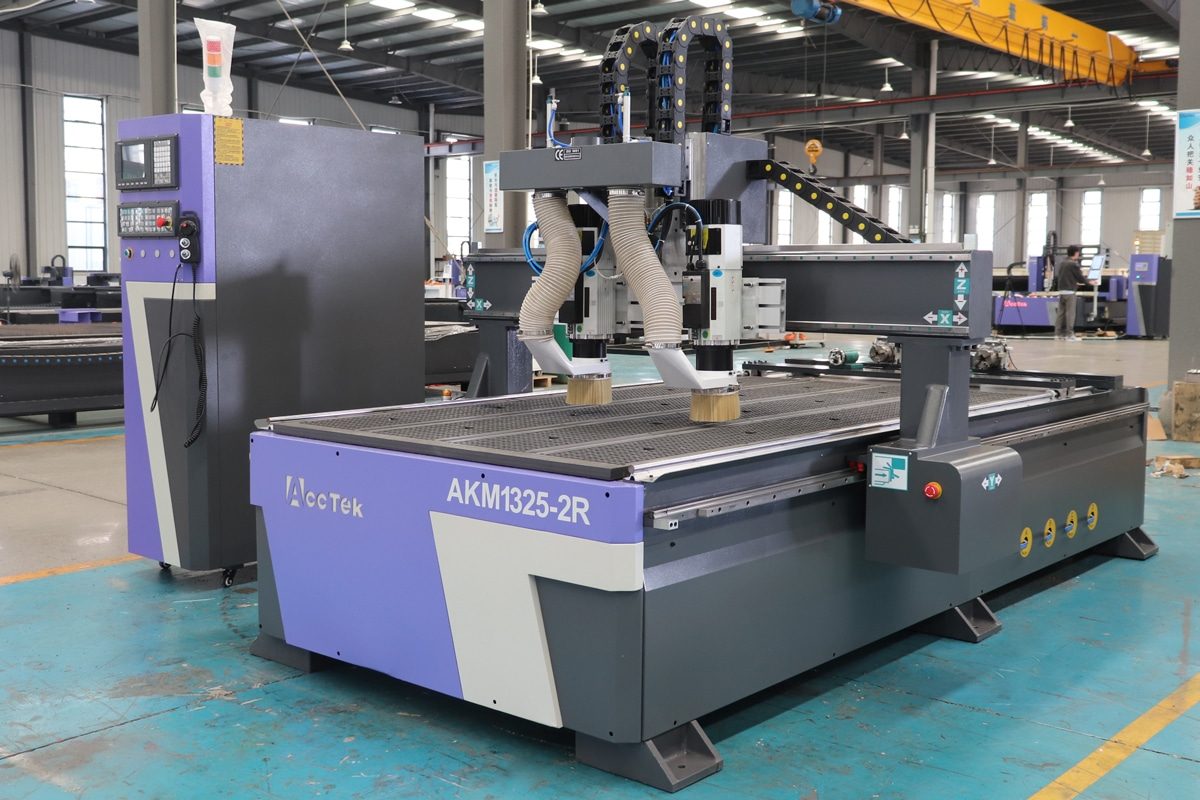
CNC routing technology has revolutionized manufacturing with its ability to deliver precise, automated, and repeatable cutting across a wide range of materials. From woodworking and signage to metal fabrication and prototyping, CNCルーター have become essential tools in both large-scale factories and small workshops. However, despite its widespread adoption and many advantages, CNC routing is not without its challenges. Users often face technical, operational, and financial hurdles that can limit productivity and increase costs.
This article explores the key challenges associated with CNC routing technology, ranging from machine precision issues and material limitations to software complexity and maintenance concerns. More importantly, it highlights the practical responses and innovations that manufacturers, operators, and developers have implemented to overcome these obstacles, ensuring that CNC routing continues to evolve and meet the demands of a competitive industrial landscape.
技術的な課題
CNC routing technical challenges arise from the mechanical, software, and operational complexities inherent in running a CNC router. In this section, we examine some of the most common technical challenges in CNC routing and explore the effective strategies and responses developed to address them.
Machine Precision and Tolerance
Over time, mechanical components like linear guides, ball screws, and spindle bearings can wear out, leading to backlash, drift, or inconsistent motion. Here is the response:
- Calibrate the Machine Regularly: Use calibration tools and test cuts to check alignment and ensure the machine is cutting accurately along all axes.
- Check and Adjust Backlash: Inspect drive systems for slack. Adjust mechanical tension or compensate for backlash in the control software if needed.
- Inspect Linear Guides and Bearings: Look for signs of wear, dirt buildup, or misalignment in linear rails and bearings. Clean and lubricate regularly or replace worn components.
- Maintain Proper Spindle Health: Check for runout or vibration in the spindle using a dial test indicator. Replace worn bearings or collets as necessary.
工具の摩耗と破損
As tools are subjected to constant friction, heat, and pressure, they gradually dull or chip, leading to rough edges, dimensional inaccuracy, and potential damage to the workpiece or machine spindle. Here is the response:
- Choose the Right Tool for the Material: Match the tool material and geometry to the specific material being cut to reduce stress and extend tool life.
- Implement Tool Life Monitoring Systems: In automated setups, use sensors or software tracking to monitor tool usage and schedule timely replacements.
- Use High-Quality Tool Holders: Ensure tool holders and collets are clean, balanced, and tightly secured to minimize runout and vibration that can stress the tool.
Programming and Software Complexity
Creating accurate toolpaths involves mastering CAD/CAM software, making it difficult for operators to fully leverage the machine’s capabilities without training. Here is the response:
- Choose User-Friendly Software: Select CAD/CAM programs with intuitive interfaces, strong customer support, and beginner-friendly features like wizards and presets.
- Use Built-In Templates and Tool Libraries: Take advantage of preloaded templates, standard tool settings, and material profiles to minimize configuration errors.
- Enroll in Training Courses: Participate in online tutorials, webinars, or formal training programs offered by software vendors or CNC manufacturers.
Machine Vibration and Stability
Poorly leveled machines, inadequate floor support, or insufficient damping can further worsen stability, reducing the overall reliability and quality of the CNC operation. Here is the response:
- Level the Machine Properly: Use a precision level to confirm that the CNC router is evenly supported on a stable, flat surface to prevent flexing or rocking.
- Upgrade or Reinforce Machine Frame if Needed: For lighter or entry-level CNC routers, consider adding structural reinforcements or using vibration-dampening mounts.
- Reduce Airborne Vibration Sources: Isolate the CNC router from nearby equipment that may transmit vibration through the floor or shared power sources.
These technical challenges, while significant, are not insurmountable. With the right equipment upgrades, maintenance practices, and operator training, users can effectively minimize errors and keep their CNC routing operations running smoothly and reliably.
材料関連の課題
CNC routers are designed to handle a wide range of materials, but not all materials respond equally well to the routing process. Different materials have unique properties that introduce specific challenges during cutting.
材料の制限
Hard materials like metals and dense hardwoods can cause excessive tool wear or breakage, while soft materials like foam and certain plastics may melt, fray, or deform due to heat or friction. Additionally, variations in material density, thickness, or moisture content can result in inconsistent cuts or tool deflection. These challenges require a tailored approach to ensure the CNC router can cut the material cleanly, efficiently, and safely.
- Identify Material Properties: Understand the hardness, density, thermal sensitivity, and internal structure of the material before selecting cutting strategies.
- Select the Right Tooling: Choose cutting tools with appropriate geometry and coatings for the specific material being processed.
- Adjust Cutting Parameters: Set feed rate, spindle speed, and depth of cut based on the material’s characteristics to prevent overheating or chipping.
Waste and Surface Finish Issues
When working with sensitive materials, such as plywood, MDF, acrylic, or thin laminates, CNC routing often leads to problems like chipping, burrs, and poor edge quality. Here is the response:
- Choose the Right Cutting Tool: Use compression bits for laminated materials to compress both surfaces inward, or down-cut bits for cleaner top edges. For plastics, use single-flute, polished bits designed to reduce heat and prevent melting.
- Set Proper Cutting Parameters: Reduce spindle speed and feed rate for delicate materials to avoid excessive force and heat that can cause chipping or burrs.
- Optimize Pass Depth and Step-Over: Use multiple shallow passes rather than a single deep cut. This reduces cutting force and preserves edge integrity.
- Secure the Workpiece Firmly: Use vacuum tables, hold-downs, or clamps to prevent material movement, which can lead to uneven edges and vibration-related defects.
Material-related challenges can significantly affect the quality and efficiency of CNC routing. However, with careful tool selection, appropriate cutting parameters, and proper machine setup, many of these problems can be minimized or completely avoided.
運用と保守の課題
Beyond technical and material-related concerns, CNC routing also presents operational and maintenance challenges that can affect workflow continuity and long-term machine reliability.
セットアップとキャリブレーション
Setup and calibration can be time-consuming and error-prone, especially for inexperienced operators. Misaligned axes, improperly zeroed tools, or inaccurate workpiece positioning can lead to dimensional inaccuracies, tool crashes, poor surface finish, and wasted material. Here is the response:
- Check and Align Machine Axes: Verify that X, Y, and Z axes move squarely and linearly. Use test indicators or calibration blocks to check for misalignment.
- Calibrate the Tool Zero Position: Use a touch-off plate, manual probe, or paper method to set the tool’s Z-height accurately and ensure it starts cutting at the correct depth.
- Secure the Workpiece Properly: Use clamps, double-sided tape, or a vacuum table to fix the material firmly without obstruction or vibration during cutting.
- Periodically Re-Calibrate and Document Settings: Create a routine calibration schedule and keep records of machine offsets, tool lengths, and alignment adjustments for consistency and troubleshooting.
Machine Downtime and Repairs
Machine downtime and unexpected repairs often lead to production delays, missed deadlines, and increased operational costs. Therefore, minimizing downtime requires a proactive approach focused on regular inspections, timely interventions, and clear maintenance protocols.
- Implement a Preventive Maintenance Schedule: Create and follow a regular maintenance routine, including lubrication, cleaning, and part inspection, to catch issues before they lead to failure.
- Monitor Key Components: Keep a close eye on spindles, belts, ball screws, bearings, and electrical systems for signs of wear, overheating, or unusual noise.
- Keep Spare Parts in Stock: Maintain an inventory of common wear parts, such as belts, bearings, fuses, and collets, for quick replacement and reduced downtime.
Operator Skill Gap
The operator skill gap is a persistent challenge in CNC routing. This gap not only affects daily performance but also limits a company’s ability to scale operations or adopt more complex manufacturing techniques. Closing this skill gap is beneficial to ensure efficient, safe, and high-quality CNC routing.
- Provide Structured Training Programs: Offer in-house training or partner with vocational schools to teach fundamental skills in CNC machine operation, CAD/CAM software, and safety protocols.
- Utilize Vendor-Supplied Resources: Take advantage of training videos, manuals, and technical support offered by CNC machine manufacturers and software providers.
- Implement Certification or Skill Assessment Systems: Use internal evaluations or industry-recognized certifications to track skill development and ensure operators meet performance standards.
- Promote Continuous Learning: Encourage participation in workshops, online courses, or trade events to keep operators updated on evolving technologies and techniques.
Addressing these issues requires disciplined operational practices, a proactive maintenance routine, proper workplace safety measures, and continuous operator education to keep the CNC router running smoothly and efficiently.
Financial and Business Challenges
CNC routing technology also comes with financial and business-related hurdles that can impact both short- and long-term success. From the substantial upfront investment required for machinery and software to the recurring costs of maintenance, training, and software licensing, managing expenses becomes a critical part of owning and operating a CNC router.
高い初期投資
The initial investment in CNC routing technology can be a major barrier for many businesses, especially small workshops or startups. Over-specifying a machine beyond actual production needs may result in a slow return on investment (ROI), while underspending could mean buying an inadequate machine that limits future growth.
- Assess Production Needs Accurately: Evaluate current and projected job types, materials, and volumes to choose a machine with the right size, power, and features, without overspending.
- Compare Machines and Features: Research various models and brands to find the best value, considering build quality, support, upgrade paths, and reputation.
- Explore Financing or Leasing Options: Work with manufacturers or third-party lenders to spread costs over time, making the investment more manageable for cash flow.
- Start with a Scalable System: Choose modular or upgradeable CNC systems that allow you to expand capabilities as the business grows rather than buying the most expensive model upfront.
運営費と保守費
Daily operations require consistent energy consumption, regular tool replacements, software updates, consumables, and routine maintenance. Without careful budgeting and planning, these ongoing expenses can eat into profits and reduce the long-term value of the initial investment.
- Develop a Preventive Maintenance Plan: Create a scheduled plan for tasks like lubrication, calibration, cleaning, and inspection to prevent costly failures and extend machine life.
- Track and Analyze Operating Costs: Use logs or software to monitor expenses related to tooling, energy use, and repairs to identify inefficiencies and potential savings.
- Standardize Tooling and Consumables: Use common tool types across jobs when possible to reduce inventory variety and bulk-purchase costs.
- Invest in Energy-Efficient Equipment: Choose CNC machines with lower power consumption ratings or variable frequency drives (VFDs) to reduce energy bills.
Software Licensing and Upgrades
The cost of licensing CAD/CAM software can be substantial, and keeping multiple workstations updated only adds to the expense. For small businesses with limited budgets, it can be difficult to balance the need for modern, efficient software with the pressure of recurring fees and potential downtime during upgrades.
- Choose Scalable or Tiered Licensing Models: Select software that offers flexible plans based on usage level, number of seats, or modules to avoid overpaying for features you don’t need.
- Test Updates in a Safe Environment: Before rolling out major upgrades, test them on a separate system to verify performance and compatibility with existing hardware and workflows.
- Explore Open-Source or Perpetual License Options: If subscription costs are prohibitive, consider one-time purchase licenses or community-supported open-source solutions with fewer long-term fees.
- Establish Vendor Support Contacts: Maintain a strong relationship with your software provider for quick assistance with licensing issues, updates, and troubleshooting.
Financial and business challenges can create obstacles for companies looking to adopt or expand CNC routing capabilities. Overcoming these challenges requires strategic budgeting, workflow optimization, and a strong understanding of the market to ensure that CNC routing remains a sustainable and profitable investment.
安全性と環境への懸念
CNC routing, while highly automated and precise, still presents important safety and environmental concerns that must be actively managed to ensure a responsible and secure work environment.
Operator Safety Risks
Without proper safeguards, operators are at risk of injuries from accidental contact with moving components, tool breakage, or material kickback. Ensuring a safe workspace is not only a regulatory requirement but also vital for productivity and worker well-being.
- Install Proper Machine Guarding: Use safety enclosures, covers, and interlocks to prevent accidental contact with moving parts during machine operation.
- Provide Personal Protective Equipment (PPE): Equip operators with safety glasses, hearing protection, dust masks or respirators, and appropriate work gloves.
- Conduct Comprehensive Safety Training: Train all staff on machine operation, emergency procedures, and hazard recognition to build a strong safety culture.
- Implement Emergency Stop Systems: Ensure emergency stop buttons are easily accessible and functional on all CNC machines.
粉塵と廃棄物の管理
CNC router high-speed cutting generates large volumes of fine dust, chips, and debris that can accumulate quickly around the machine and in the air. Effective dust and waste management is beneficial for maintaining a clean, safe, and efficient working environment.
- Install a High-Efficiency Dust Collection System: Use a dedicated dust extractor with sufficient airflow and filtration to capture fine particles at the source.
- Use Proper Dust Hoods and Brush Rings: Equip your CNC router with dust shoes or enclosures that direct dust into the vacuum system and minimize airborne spread.
- Schedule Regular Cleaning and Filter Maintenance: Empty dust collectors frequently, replace filters as needed, and clean internal machine components to maintain optimal airflow.
- Ensure Adequate Ventilation: Improve air circulation with fans or exhaust systems to dilute any remaining airborne dust and maintain air quality.
騒音管理
Noise management is a common but often overlooked challenge in CNC routing environments. CNC routers, especially when operating at high spindle speeds or cutting dense materials, can generate sustained noise levels well above safe occupational limits. Here is the response:
- Provide Hearing Protection: Equip operators with appropriate hearing protection, such as earmuffs or earplugs rated for industrial environments.
- Use Acoustic Enclosures: Install sound-dampening enclosures or barriers around the CNC machine to contain and reduce emitted noise.
- Install Sound-Absorbing Materials: Treat walls and ceilings with acoustic panels or foam to reduce echo and absorb ambient noise in the workshop.
- Schedule Noisy Operations Strategically: Perform high-noise tasks during designated hours or in isolated areas to minimize disruption to other work zones.
A proactive approach to safety and sustainability ensures that CNC routing remains a long-term, responsible solution in modern industrial settings.
将来の展望と業界の適応
As CNC routing technology continues to evolve, the industry is witnessing rapid advancements aimed at addressing current limitations and improving performance, usability, and sustainability.
Trends in CNC Routing
The CNC routing industry is rapidly evolving with the integration of artificial intelligence (AI), machine learning (ML), and digital twin technology, reshaping how machines are programmed, monitored, and maintained.
- Artificial Intelligence (AI): By analyzing complex datasets in real time, AI can automatically adjust feed rates, spindle speeds, and cutting depths to optimize performance based on material type, tool condition, and job requirements. AI-driven CNC routers can also detect anomalies during operations, minimizing the risk of tool crashes or defective parts.
- Machine Learning (ML): Through continuous analysis of previous cutting jobs, machine learning algorithms can identify patterns and improve the accuracy of predictions related to tool wear, machine load, and cycle time. This leads to smarter preventive maintenance scheduling, better energy efficiency, and more consistent part quality.
- Digital Twin Technology: By creating a virtual model of the physical machine, operators can simulate toolpaths, test different cutting strategies, and troubleshoot potential issues before executing a job in the real world. This reduces the risk of costly errors, speeds up prototyping, and enhances first-pass success rates.
新興市場とアプリケーション
CNC router technology is rapidly expanding beyond traditional industries like woodworking and signage into a range of emerging markets and specialized applications.
- Education and Maker Spaces: Schools and training centers are integrating CNC technology into their STEM and engineering programs to teach digital fabrication skills. Hobbyists and startups also benefit from compact desktop CNC routers for product development and small-batch manufacturing. This democratization of CNC technology is fostering creativity and innovation at the grassroots level.
- Construction and Architecture: CNC routers allow for precise shaping of wood, foam, and composite materials used in building design and interior applications. Architects and designers value the ability to translate digital models directly into physical components, enabling more complex and visually compelling structures.
- Signage and Custom Display Production: While signage is a more established application, the demand for customized, 3D, and multi-material signage continues to rise. CNC routers are now used for advanced applications in retail, exhibitions, and event display production, where precision and repeatability are key. These machines allow for detailed engraving, contour cutting, and layered designs using wood, acrylic, PVC, and aluminum, supporting creative branding and visual marketing efforts.
As demand for customization and short-run production grows, CNC routers are becoming more adaptive and modular to meet diverse industry needs. The future of CNC routing lies in smarter, more connected, and eco-conscious systems that align with the evolving demands of modern manufacturing.
まとめる
CNC routing technology has become an indispensable tool across a wide range of industries, offering precision, automation, and flexibility. However, it also presents a variety of challenges—from technical limitations and material-related issues to operational inefficiencies, financial barriers, and safety concerns. As the industry continues to evolve, users who understand these challenges and implement strategic responses will be best positioned to maximize efficiency, reduce costs, and stay competitive in an increasingly complex manufacturing landscape. CNC routing, when managed effectively, remains a powerful and forward-looking solution for modern production needs.
アクセテック CNC is a trusted and professional CNC router manufacturer known for delivering high-quality machines tailored to meet diverse production needs. Whether you’re involved in woodworking, signage, or advanced manufacturing, AccTek offers a wide range of CNC router models with customizable options to suit specific applications and materials. In addition to providing reliable and efficient machines, AccTek is committed to customer satisfaction through responsive after-sales technical support, ensuring smooth installation, training, and long-term performance. For businesses seeking dependable equipment and expert service, AccTek CNC is a reliable partner in achieving precision, productivity, and growth.