

- 10-15 minuti di lettura
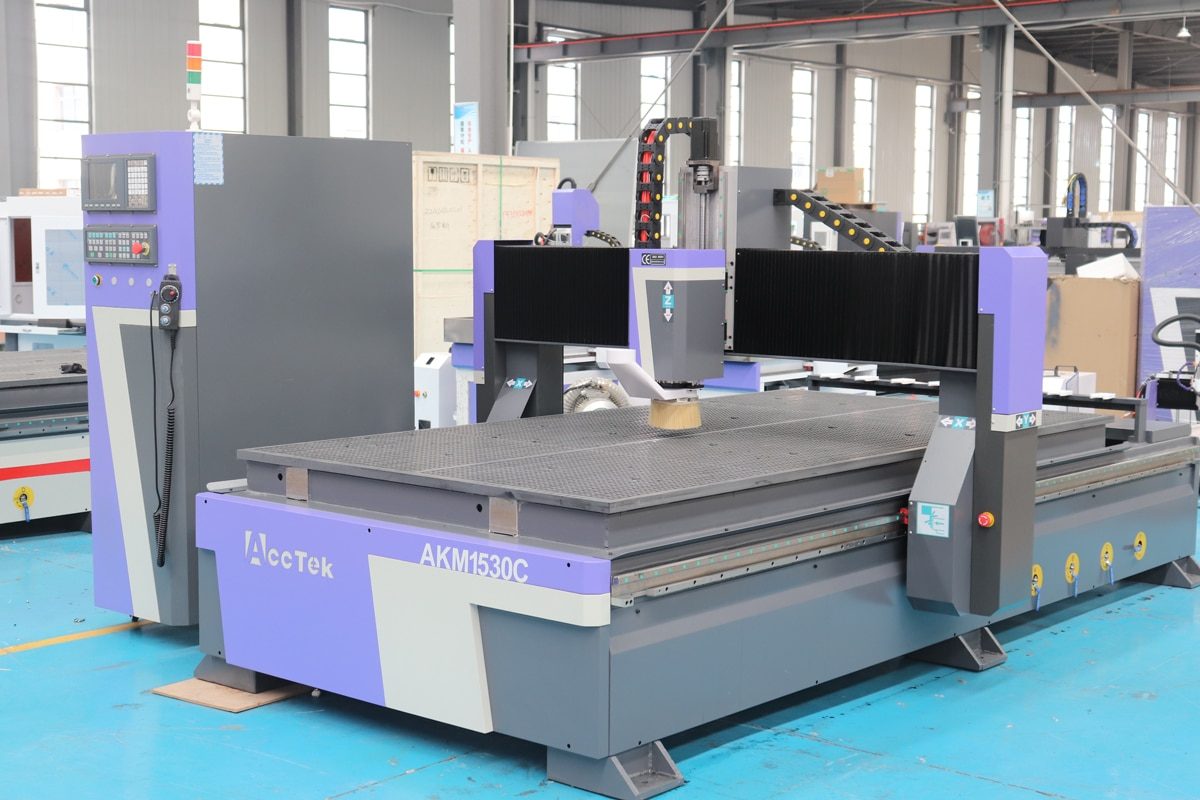
La scelta della giusta dimensione della fresatrice CNC è una delle decisioni più importanti per i produttori di mobili. Le dimensioni della macchina determinano non solo le dimensioni massime dei materiali che può lavorare, ma anche l'efficienza, la flessibilità e la scalabilità della linea di produzione. Dalle piccole officine specializzate in pezzi su misura alle grandi fabbriche che producono armadi, tavoli o mobili componibili in grandi volumi, le dimensioni della fresatrice CNC influiscono direttamente sulla produttività, sulla capacità di nesting e sull'utilizzo dello spazio di lavoro.
Nella produzione di mobili, le dimensioni standard dei pannelli di materiale, come 4×8 piedi o 5×10 piedi, spesso guidano il processo di selezione della macchina. Tuttavia, altri fattori come il volume di produzione, la complessità dei pezzi e lo spazio disponibile in officina giocano un ruolo fondamentale nella scelta della macchina ottimale. Questo articolo analizzerà le diverse dimensioni delle fresatrici CNC, spiegherà come abbinare la dimensione della macchina ai vostri obiettivi di produzione e vi aiuterà a evitare i comuni errori di dimensionamento, garantendo che il vostro investimento supporti sia le esigenze attuali che la crescita futura.
Comprendere le dimensioni delle fresatrici CNC
La scelta della dimensione giusta per una fresatrice CNC inizia con una chiara comprensione di cosa rappresentino realmente le sue dimensioni. Ecco una descrizione dettagliata:
Spiegazione delle specifiche dimensionali delle fresatrici CNC
Le specifiche dimensionali delle fresatrici CNC si riferiscono principalmente all'area di lavoro, ovvero alla distanza massima percorribile dall'utensile di taglio lungo ciascun asse (X, Y e Z). Queste specifiche sono generalmente espresse in pollici o piedi e determinano la dimensione massima del materiale che può essere lavorato in una singola configurazione.
- Asse X (Larghezza): Si tratta dell'estensione orizzontale da sinistra a destra e definisce la larghezza del materiale che può essere tagliato.
- Asse Y (Lunghezza): Misura la corsa da davanti a dietro e di solito rappresenta la dimensione maggiore del piano della fresatrice CNC.
- Asse Z (Profondità): Questo asse verticale indica la profondità massima di movimento della testa di taglio, influenzando lo spessore massimo di un materiale o di strati sovrapposti che possono essere lavorati.
È inoltre importante distinguere tra area di lavoro e ingombro della macchina. Mentre l'area di lavoro definisce la capacità di taglio, l'ingombro della macchina comprende tutte le dimensioni fisiche dell'attrezzatura, inclusi telaio, portale e spazio libero. Quando si esaminano le specifiche, i produttori di mobili non dovrebbero considerare solo le dimensioni massime del materiale, ma anche la necessità di spazio libero per gli utensili, dispositivi di fissaggio, aspirazione delle polveri e accessibilità: tutti elementi che contribuiscono alla praticità d'uso in officina.
La differenza tra le diverse dimensioni delle fresatrici CNC
Le fresatrici CNC sono disponibili in diverse dimensioni, generalmente classificate in macchine da tavolo, di medie dimensioni e di grande formato. Ogni categoria è progettata per soddisfare diverse esigenze produttive, dalla prototipazione su piccola scala alla produzione di mobili su vasta scala.
- Le fresatrici CNC da tavolo sono macchine compatte di livello base con aree di lavoro generalmente inferiori a 4×4 piediSono più adatte agli hobbisti o a lavori leggeri come l'incisione, la realizzazione di piccoli componenti o la prototipazione di elementi per mobili. Sebbene queste fresatrici CNC siano economiche e poco ingombranti, non possiedono la capacità e la robustezza necessarie per la produzione di mobili su larga scala.
- Le fresatrici CNC di medie dimensioni raggiungono un equilibrio tra capacità e ingombro. macchina 4×8In particolare, è ampiamente considerata lo standard di settore nella produzione di mobili perché è in grado di lavorare pannelli di compensato e MDF di dimensioni standard. Queste macchine sono adatte a produzioni da moderate ad elevate e possono gestire un'ampia varietà di componenti per mobili con precisione ed efficienza.
- Le fresatrici CNC di grande formato, come quelle da 5×10 piedi o più grandi, sono progettate per fabbriche ad alta produttività e per processi di produzione complessi basati sul nesting. Offrono ampio spazio per pannelli di grandi dimensioni, pezzi multipli o alimentazione continua di fogli, risultando ideali per operazioni su scala commerciale. Queste macchine sono spesso dotate di opzioni di automazione avanzate, strutture a portale più robuste e mandrini più potenti per supportare la produzione di mobili pesanti.
La scelta della categoria più adatta dipende dalla scala di produzione, dalle dimensioni dei materiali e dallo spazio disponibile in officina. Per la maggior parte dei falegnami professionisti, le fresatrici CNC di medie o grandi dimensioni offrono il miglior compromesso tra prestazioni, efficienza e ritorno sull'investimento.
Fattori chiave che influenzano la scelta delle dimensioni della fresatrice CNC
La scelta della fresatrice CNC ideale per la produzione di mobili va ben oltre la semplice selezione della macchina più grande disponibile. Richiede un'attenta valutazione di diversi fattori chiave che influiscono direttamente su prestazioni, efficienza e rapporto costi-benefici. Di seguito sono riportate le considerazioni più importanti per determinare la dimensione della macchina più adatta alle proprie esigenze di produzione:
Tipologia di mobili prodotti
Le dimensioni e la complessità dei vostri progetti di arredamento influiranno notevolmente sulle dimensioni necessarie per la fresatrice CNC. Diverse categorie di mobili richiedono diverse dimensioni di taglio, utensili e spazi di lavoro.
- I falegnami spesso necessitano di pannelli di dimensioni 4×8 piedi (122x244 cm) compatibili per lavorare grandi pannelli in MDF o compensato.
- Se la tua produzione riguarda articoli di grandi dimensioni come telai di letti o armadi, potresti trarre vantaggio da una fresatrice CNC 5×10, che offre più spazio per componenti più grandi o per più parti più piccole in un'unica configurazione.
- I produttori di sedie o tavoli potrebbero richiedere una maggiore flessibilità nello spazio libero sull'asse Z per gestire materiali più spessi o assemblaggi multistrato.
- Le botteghe di falegnameria artigianale potrebbero trarre vantaggio da macchinari più compatti se lavorano su pezzi di piccole dimensioni e unici.
Volume di produzione
Il volume di produzione influisce direttamente sulla capacità della macchina, sul tempo di ciclo e sull'efficienza complessiva della produzione. Maggiore è il volume di produzione, maggiore sarà la probabilità di aver bisogno di una macchina più grande:
- Per la produzione di mobili in piccoli volumi o su misura, dove flessibilità e precisione artigianale sono prioritarie rispetto alla velocità, una fresatrice CNC di medie dimensioni, come un modello 4×4 o persino 4×8, può gestire la maggior parte delle operazioni in modo efficiente.
- La produzione ad alto volume o la produzione di massa richiedono formati più grandi, come i modelli 5×10 o addirittura 6×12, per aumentare la resa del materiale e ridurre i tempi di cambio formato. I router CNC di dimensioni maggiori possono anche supportare la produzione nested, in cui più pezzi vengono tagliati da un singolo foglio con sprechi minimi.
Dimensioni e movimentazione dei materiali
Nella produzione di mobili, le dimensioni della fresatrice CNC devono essere commisurate ai materiali utilizzati per garantire un taglio efficiente, ridurre al minimo gli sprechi e ottimizzare la produzione.
- I materiali standard per mobili, come i pannelli di compensato o MDF da 4x8 piedi, richiedono almeno una fresatrice CNC da 4x8 piedi. Per materiali ancora più grandi, come pannelli da 5x10 piedi, sarà necessaria una macchina di formato maggiore per non compromettere il design o il flusso di taglio.
- L'utilizzo di macchine sottodimensionate comporta rifiniture manuali, riposizionamenti dei pezzi e inefficienze. Un dimensionamento corretto della macchina semplifica il carico, riduce i tempi di taglio e minimizza gli sprechi di materiale.
Vincoli di spazio in officina
Sebbene la capacità della macchina sia importante, lo spazio fisico disponibile in officina è altrettanto fondamentale nella scelta delle dimensioni di una fresatrice CNC. Questo può limitare le opzioni di scelta:
- L'ingombro fisico di una fresatrice CNC spesso supera la sua area di taglio. Ad esempio, una macchina di 1,2 x 2,4 m (4 x 8 piedi) potrebbe richiedere uno spazio effettivo di 1,8 x 3 m (6 x 10 piedi) o più, considerando telaio, quadro di controllo, canaline per i cavi e zone di ingombro. Prima dell'acquisto, misurate attentamente lo spazio disponibile per assicurarvi che la macchina si adatti senza intralciare altre attrezzature o passaggi.
- Oltre all'ingombro, è importante considerare come la fresatrice CNC si integra nel flusso di lavoro produttivo. I materiali devono passare agevolmente dalla fase di alimentazione a quella di taglio, per poi raggiungere le aree di post-elaborazione come la levigatura, l'assemblaggio o l'imballaggio.
- Le fresatrici CNC richiedono spazio sufficiente su tutti i lati per la manutenzione, il carico/scarico e l'accesso di emergenza. Inoltre, l'officina deve essere ben ventilata per evitare il surriscaldamento e l'accumulo di polvere.
Comprendere i fattori chiave che influenzano la scelta delle dimensioni di una fresatrice CNC è fondamentale per investire in una macchina che si adatti perfettamente alla propria attività. Quando le dimensioni della macchina sono in linea con i formati dei materiali, la capacità produttiva e la disposizione dell'officina, è possibile ottenere una maggiore efficienza, ridurre gli sprechi e scalare più facilmente la produzione in base alla crescita della domanda. Dedicare del tempo alla valutazione delle proprie esigenze specifiche oggi si tradurrà in prestazioni migliori, operazioni più fluide e un maggiore ritorno sull'investimento nel lungo termine.
Dimensioni consigliate per le fresatrici CNC per le applicazioni più comuni nel settore dell'arredamento.
Ogni dimensione di fresatrice CNC offre vantaggi specifici a seconda del tipo di mobile che si produce, delle dimensioni del materiale e della scala di produzione. Di seguito sono elencate le dimensioni di fresatrici CNC più comunemente utilizzate nella produzione di mobili:
Router CNC 4x4
Una fresatrice CNC 4×4 è una soluzione compatta ed economica per i falegnami che lavorano in spazi ristretti o che si concentrano su lavorazioni personalizzate e di precisione. Con un'area di lavoro di circa 1200 x 1200 mm, è ideale per la produzione di componenti di piccole dimensioni come ante di armadi, gambe di sedie, frontali di cassetti e pannelli decorativi in legno. Questa dimensione è particolarmente adatta per hobbisti, piccole officine emergenti e per chi si dedica alla prototipazione.
Il principale vantaggio di una fresatrice CNC 4×4 è il suo ingombro ridotto, che ne facilita l'installazione in officine con spazio limitato. Inoltre, presenta un costo iniziale inferiore rispetto alle macchine più grandi, risultando quindi interessante per chi si avvicina per la prima volta a questo tipo di lavorazione. Nonostante le dimensioni ridotte, è in grado di garantire tagli precisi e uniformi se correttamente calibrata e sottoposta a manutenzione.
Tuttavia, il principale limite di una fresatrice CNC 4×4 è la sua incapacità di gestire materiali in fogli di dimensioni standard 4×8 piedi. Ciò significa che gli operatori devono tagliare i materiali prima della lavorazione o ricorrere a molteplici impostazioni e riposizionamenti, il che aumenta i tempi e la complessità del flusso di lavoro.
Router CNC 4x8
La fresatrice CNC 4×8 è la dimensione di macchina più diffusa e utilizzata nella produzione di mobili. Con un'area di lavoro di circa 1300 x 2500 mm, è specificamente progettata per lavorare pannelli standard di compensato e MDF da 4×8 piedi senza necessità di rifilatura. Questo la rende ideale per la produzione efficiente e precisa di armadi, piani di tavoli, scaffali e altri componenti di grandi dimensioni.
Uno dei principali vantaggi della fresatrice CNC 4×8 è l'equilibrio tra capacità e ingombro in officina. Supporta la produzione a nesting, consentendo agli operatori di tagliare più componenti di mobili da un singolo foglio per ridurre al minimo gli sprechi di materiale. Il formato 4×8 si integra inoltre perfettamente con i software di progettazione più comuni e offre compatibilità con un'ampia gamma di accessori, come tavoli aspiranti, sistemi di aspirazione della polvere e cambi utensili automatici.
Sebbene la fresatrice 4×8 offra un eccellente rapporto qualità-prezzo e prestazioni elevate, richiede uno spazio di lavoro piuttosto ampio. Potrebbe inoltre raggiungere i suoi limiti nella lavorazione di componenti di mobili di grandi dimensioni o in caso di un aumento significativo del volume di produzione.
Router CNC 5x10 e più grandi
La fresatrice CNC 5×10 è progettata per la produzione di mobili a livello industriale e offre un'ampia area di lavoro di circa 1500 x 3000 mm. Queste dimensioni consentono di lavorare sia pannelli standard da 4×8 piedi che materiali di dimensioni maggiori, risultando ideali per la produzione di componenti di grandi dimensioni come telai di letti, tavoli da pranzo, armadi o pannelli personalizzati di grandi dimensioni.
Uno dei principali vantaggi di una fresatrice CNC 5×10 o di dimensioni maggiori è la capacità di eseguire lavorazioni complesse basate sul nesting su larga scala. Queste macchine possono lavorare più fogli o layout di grandi dimensioni in un'unica passata, migliorando la produttività e riducendo la necessità di riposizionamento manuale. Si integrano inoltre perfettamente con sistemi di automazione come alimentatori automatici e zone di aspirazione, migliorando ulteriormente la produttività e la coerenza in ambienti di produzione esigenti.
Tuttavia, macchine di queste dimensioni richiedono uno spazio considerevole, una disposizione dell'officina ben pianificata e, spesso, un'alimentazione elettrica più potente. Hanno anche un costo maggiore e possono comportare procedure di installazione e manutenzione più complesse.
Scegliere la giusta dimensione di una fresatrice CNC significa abbinare la macchina al flusso di lavoro, ai materiali e agli obiettivi aziendali. Una fresatrice compatta 4x4 potrebbe essere adatta per piccole produzioni o lavori personalizzati, mentre un modello 4x8 offre la flessibilità e la capacità di cui molti produttori di mobili hanno bisogno quotidianamente. Per operazioni ad alta produttività, una macchina 5x10 o più grande può migliorare notevolmente l'efficienza e le prestazioni di nesting. Comprendendo i punti di forza e i compromessi di ogni dimensione, è possibile effettuare un investimento consapevole che supporti sia le esigenze di produzione attuali che la crescita futura.
Errori da evitare nella scelta delle dimensioni di una fresatrice CNC
Scegliere una fresatrice CNC di dimensioni errate può causare interruzioni del flusso di lavoro, spreco di materiale e costosi aggiornamenti futuri. Per assicurarti di fare l'investimento giusto per la tua azienda di produzione di mobili, evita i seguenti errori comuni:
- Sottodimensionamento per la scalabilità futura: uno degli errori più comuni è quello di scegliere una fresatrice CNC che soddisfi solo le esigenze attuali senza considerare la crescita futura. Con l'aumento del volume di produzione o l'espansione della gamma di prodotti, una macchina troppo piccola può rapidamente diventare un collo di bottiglia. Potrebbe comportare manodopera aggiuntiva, limitare la flessibilità di progettazione o addirittura richiedere una sostituzione prematura. Prevedete sempre le vostre future esigenze di produzione e scegliete una fresatrice CNC per mobili che offra margine di crescita.
- Sovradimensionamento rispetto alle reali esigenze: all'estremo opposto, alcuni acquirenti scelgono macchine sovradimensionate, pensando che più grande è sempre meglio. Tuttavia, le fresatrici più grandi richiedono più spazio, un maggiore consumo energetico e un investimento iniziale più elevato. Se producete mobili di piccole o medie dimensioni o lavorate in un'officina compatta, una macchina enorme potrebbe risultare sottoutilizzata e inefficiente. È necessario trovare un equilibrio tra capacità produttiva e praticità operativa.
- Ignorare la compatibilità di utensili e accessori: non tutte le fresatrici CNC supportano gli stessi accessori, come piani aspiranti, cambi utensili automatici o sistemi di aspirazione della polvere. Scegliere una dimensione che non si integra bene con gli utensili o i materiali essenziali può limitare l'efficacia della macchina. Verificare sempre che la fresatrice CNC selezionata supporti l'intera gamma di accessori e utensili necessari per i processi di produzione di mobili.
- Trascurare i vincoli di movimentazione dei materiali: una macchina che non corrisponde alle dimensioni dei materiali utilizzati comporterà passaggi aggiuntivi come rifilatura, riposizionamento o allineamento manuale. Non adattare le dimensioni della fresatrice alle dimensioni standard dei pannelli utilizzati (ad esempio, fogli da 4×8 piedi o 5×10 piedi) può causare inefficienze nel flusso di lavoro e frequenti ritardi nella produzione.
Valutando attentamente le esigenze di produzione attuali e future, i formati dei materiali, lo spazio di lavoro disponibile e la compatibilità delle attrezzature, è possibile scegliere una fresatrice CNC per mobili di dimensioni tali da garantire prestazioni a lungo termine senza compromessi.
Possibilità di personalizzazione e aggiornamento
Quando si sceglie una fresatrice CNC per la produzione di mobili, non conta solo ciò che la macchina è in grado di fare oggi, ma anche la sua capacità di evolversi nel tempo in base alle esigenze. La possibilità di personalizzare o aggiornare la macchina aumenta la flessibilità a lungo termine, la produttività e il ritorno sull'investimento. Di seguito sono elencate le aree chiave che offrono un significativo potenziale di personalizzazione e futuri aggiornamenti:
- Aree di lavoro espandibili: alcune fresatrici CNC sono progettate con piani di lavoro espandibili o portali modulari, che consentono di aumentare l'area di lavoro in base alle esigenze di produzione. Ad esempio, un'azienda può iniziare con una macchina 4x4 per poi estenderla a un formato 4x8 o 5x10 per gestire materiali più grandi o aumentare la produttività. Questa scalabilità evita la necessità di sostituire completamente la macchina e supporta l'evoluzione dei progetti, soprattutto nelle aziende di arredamento in crescita.
- Telai modulari e cambi utensili: le fresatrici CNC con telaio modulare semplificano l'aggiornamento o la riconfigurazione della macchina. I telai rinforzati possono essere potenziati per una maggiore stabilità o capacità di carico durante la lavorazione di materiali più spessi. Inoltre, le fresatrici CNC che supportano i cambi utensili automatici (ATC) possono migliorare drasticamente l'efficienza riducendo la sostituzione manuale degli utensili, soprattutto quando si lavora su componenti per mobili a più fasi che richiedono diverse dimensioni o profili di fresa. I cambi utensili possono spesso essere aggiunti in un secondo momento, a condizione che la progettazione della macchina lo consenta.
- Automazione: l'integrazione di funzionalità di automazione è uno dei modi più efficaci per modernizzare una fresatrice CNC. I piani di lavoro a vuoto garantiscono un bloccaggio del materiale forte e uniforme, migliorando la precisione di taglio e la sicurezza, soprattutto durante la lavorazione di pannelli interi. Gli alimentatori e gli scaricatori automatici semplificano la movimentazione del materiale, consentendo un funzionamento continuo e riducendo l'affaticamento dell'operatore. Questi sistemi automatizzati sono particolarmente preziosi nella produzione di mobili ad alto volume, dove il risparmio di tempo e l'efficienza della manodopera hanno un impatto diretto sulla redditività.
Scegliere una fresatrice CNC progettata pensando alla personalizzazione contribuisce a garantire la sostenibilità futura delle vostre attività, semplificando l'integrazione di nuovi materiali, l'aumento della produzione o il passaggio a linee di prodotto più complesse senza dover sostituire l'intera macchina.
Consigli degli esperti per scegliere la dimensione ideale della fresatrice CNC per mobili
La scelta della giusta dimensione della fresatrice CNC influisce sulla produttività, sul flusso di lavoro e sul ritorno sull'investimento. Ecco alcuni consigli di esperti per aiutarvi a prendere la decisione giusta ed evitare gli errori più comuni:
- Consultate gli specialisti della produzione di mobili: prima di finalizzare l'acquisto, parlate con esperti di macchine a controllo numerico (CNC) o consulenti per la produzione di mobili che comprendano le esigenze specifiche della vostra applicazione. Possono aiutarvi a valutare il flusso di lavoro produttivo, a consigliarvi le dimensioni ottimali per le vostre tipologie di mobili e a garantire la compatibilità con i sistemi di automazione, gli utensili e i software.
- Eseguite simulazioni di lavorazione o di nesting: utilizzando un software CAD/CAM, simulate i vostri componenti d'arredo più comuni su piani di lavoro di fresatrici CNC di diverse dimensioni. Questo vi aiuterà a visualizzare l'efficienza con cui i materiali possono essere disposti e lavorati. Se il vostro layout comporta uno spreco significativo di materiale o richiede riposizionamenti, potrebbe indicare la necessità di una macchina più grande.
- Considera il consumo energetico e il peso della macchina: le macchine più grandi spesso richiedono più energia, fondamenta più solide e pavimenti rinforzati. Assicurati che la tua struttura sia in grado di sopportare il peso e il fabbisogno elettrico della macchina. Inoltre, quando confronti le diverse dimensioni delle macchine, tieni conto anche dei costi operativi a lungo termine.
- Bilanciare le esigenze attuali con la crescita futura: pensate oltre il carico di lavoro attuale. Se prevedete di aumentare il volume di produzione, aggiungere nuove linee di prodotto o introdurre l'automazione, è consigliabile investire in una macchina scalabile. Scegliere una fresatrice CNC che supporti aggiornamenti modulari o espansioni del telaio vi farà risparmiare tempo e denaro a lungo termine.
- Valutare il flusso dei materiali e l'accesso dell'operatore: le dimensioni della fresatrice CNC devono integrarsi armoniosamente nel flusso dei materiali dell'officina. Assicurarsi che ci sia spazio sufficiente per il carico e lo scarico dei materiali e che gli operatori possano muoversi intorno alla macchina in modo comodo e sicuro. Una macchina posizionata male o sovradimensionata può compromettere la produttività, anche se soddisfa le esigenze di taglio.
Applicando questi consigli degli esperti, sarete in grado di scegliere una fresatrice CNC di dimensioni adatte non solo alle vostre esigenze immediate, ma anche a supportare una crescita sostenibile, l'efficienza operativa e la redditività a lungo termine della vostra azienda di produzione di mobili.
Riassumere
La scelta della fresatrice CNC della giusta dimensione è un passaggio fondamentale per ottimizzare il processo di produzione di mobili. La macchina ideale dovrebbe essere adeguata alla tipologia di mobili prodotti, alle dimensioni dei materiali, al volume di produzione e allo spazio e alle infrastrutture disponibili in officina. Oltre alle attuali esigenze produttive, è essenziale considerare anche la scalabilità futura, le opzioni di personalizzazione e il potenziale di automazione. Una fresatrice CNC della giusta dimensione è la base per costruire un'attività di produzione di mobili più efficiente, competitiva e redditizia. Per ulteriori approfondimenti, consultate la nostra " Guida completa all'acquisto di fresatrici CNC ".
Se cercate una fresatrice CNC affidabile e performante, pensata appositamente per la produzione di mobili, AccTek CNC è un nome di cui potervi fidare. Offriamo un'ampia gamma di macchine, dai modelli compatti 4×4 ideali per lavori su misura ai robusti sistemi 4×8 e 5×10 progettati per la lavorazione di pannelli in grandi volumi. Contattate oggi stesso AccTek CNC per ottenere soluzioni di fresatura CNC personalizzate che soddisfino i vostri obiettivi di produzione di mobili.